
Progesterone Capsules
Capsule · 100 mg / 200 mg
- Better sleep & cycle balance
- Bioidentical bedtime capsule
- Endometrial protection with estrogen
Choose your plan

What is Micronized Progesterone?
Oral bioidentical progesterone that supports sleep, mood, and cycle regulation in perimenopause and menopause. Also provides endometrial protection when combined with estrogen therapy. Taken at bedtime.
What to expect
- Taken at night — Evening dosing works with the drowsiness rather than against it.
- Part of the protocol — Standard alongside estrogen if you have a uterus.
- Sleep often improves — Many people find this a welcome side effect rather than a drawback.
- Early effects settle — Bloating and breast tenderness usually ease over the first weeks.
How it works

Online visit and review
Answer a few health questions. A licensed clinician reviews them online. No waiting rooms.

Ships to your door
If prescribed, your medication ships free and discreetly.


Feel the difference
Your clinician checks in and adjusts your plan as you go.
Dosing, safety & what's inside
Take 100-200 mg by mouth at bedtime; continuous or cyclic per clinician protocol
Estrogen with a progestin should not be used to prevent heart disease or dementia. In the Women's Health Initiative, the combination raised the risk of blood clots in the legs and lungs, stroke and heart attack. It also raised the risk of invasive breast cancer, and of probable dementia in women aged 65 and over.
Tell your care team straight away if you get chest pain or shortness of breath, pain or swelling in a leg, sudden vision change or loss, a sudden severe headache or weakness on one side, a new breast lump, or yellowing of your skin or eyes.
Common side effects
- headache
- breast tenderness
- dizziness
- low mood
- abdominal pain
- breast pain
- drowsiness
- bloating
Rare but serious
- blood clots in the legs or lungs
- stroke
- heart attack
- invasive breast cancer
- probable dementia in women aged 65 and over
- vision problems
Do not take this if you are allergic to peanuts, because the capsules contain peanut oil. Also do not take it if you have unexplained vaginal bleeding, you have or have had breast cancer, you have had a blood clot in a leg or lung, you have had a stroke or heart attack, or you have liver disease.
This is not a complete list of side effects. Message your care team about any symptom that worries you.
More in this category
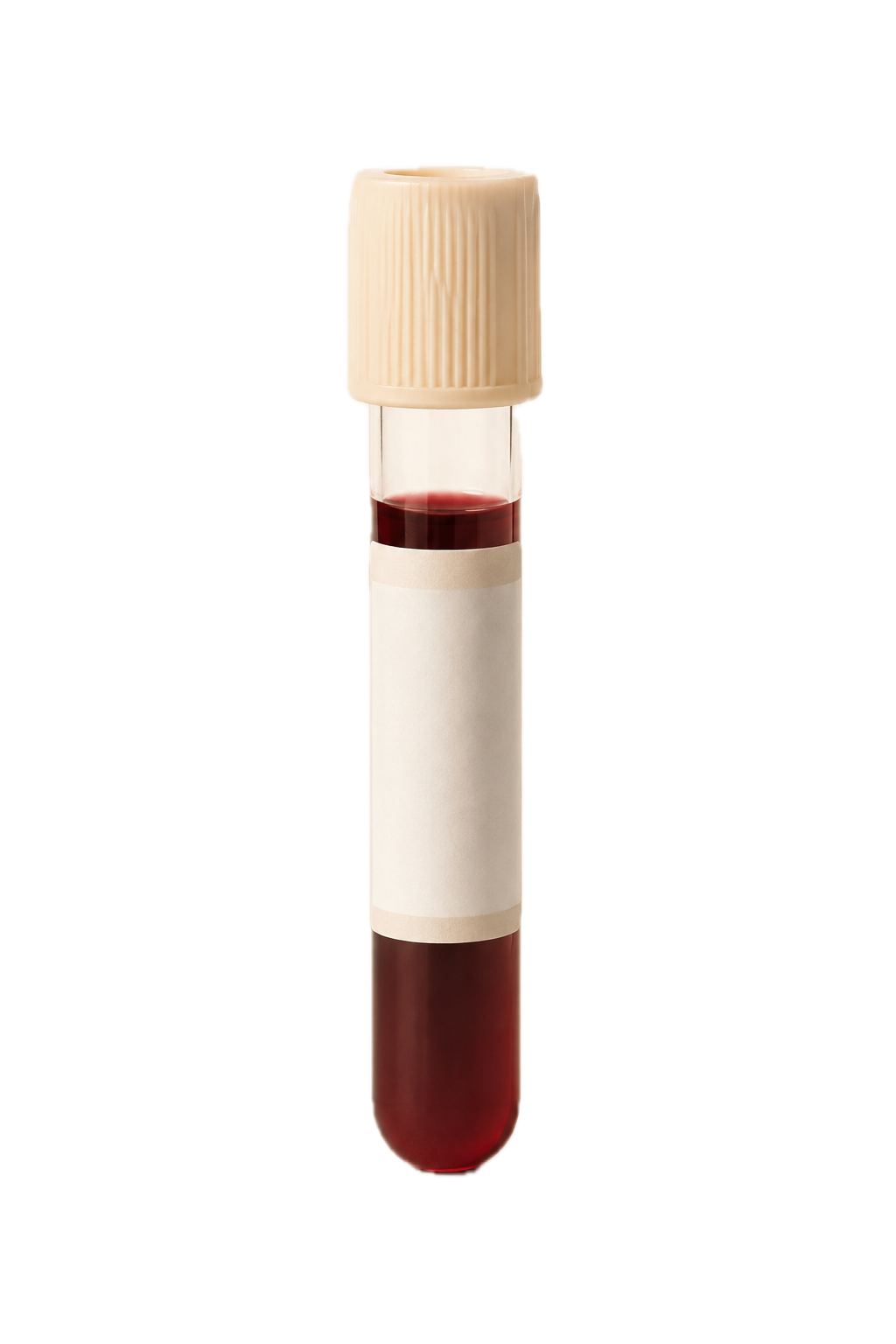
Advanced Panel
Comprehensive panel across 12 body systems.
Essential Panel
Core biomarker panel — the fastest way to start treatment.

Enclomiphene
Capsule · 12.5 mg / 25 mg

Estradiol Oral Capsule
Capsule · 1.1 mg
Progesterone Capsules
Capsule · 100 mg / 200 mg

Semaglutide + B12
Injection · 2.5 mg/mL (semaglutide)


Tadalafil Daily
Tablet · 5 mg

Tirzepatide + B12
Injection · 10 mg/mL (tirzepatide)

Cedar Hair Tablet | Finasteride + Minoxidil + Biotin
Tablet · 1 mg / 2.5 mg / biotin

Levothyroxine
For people already prescribed levothyroxine by their doctor. Tablet · 50 mcg (25-100 mcg range)


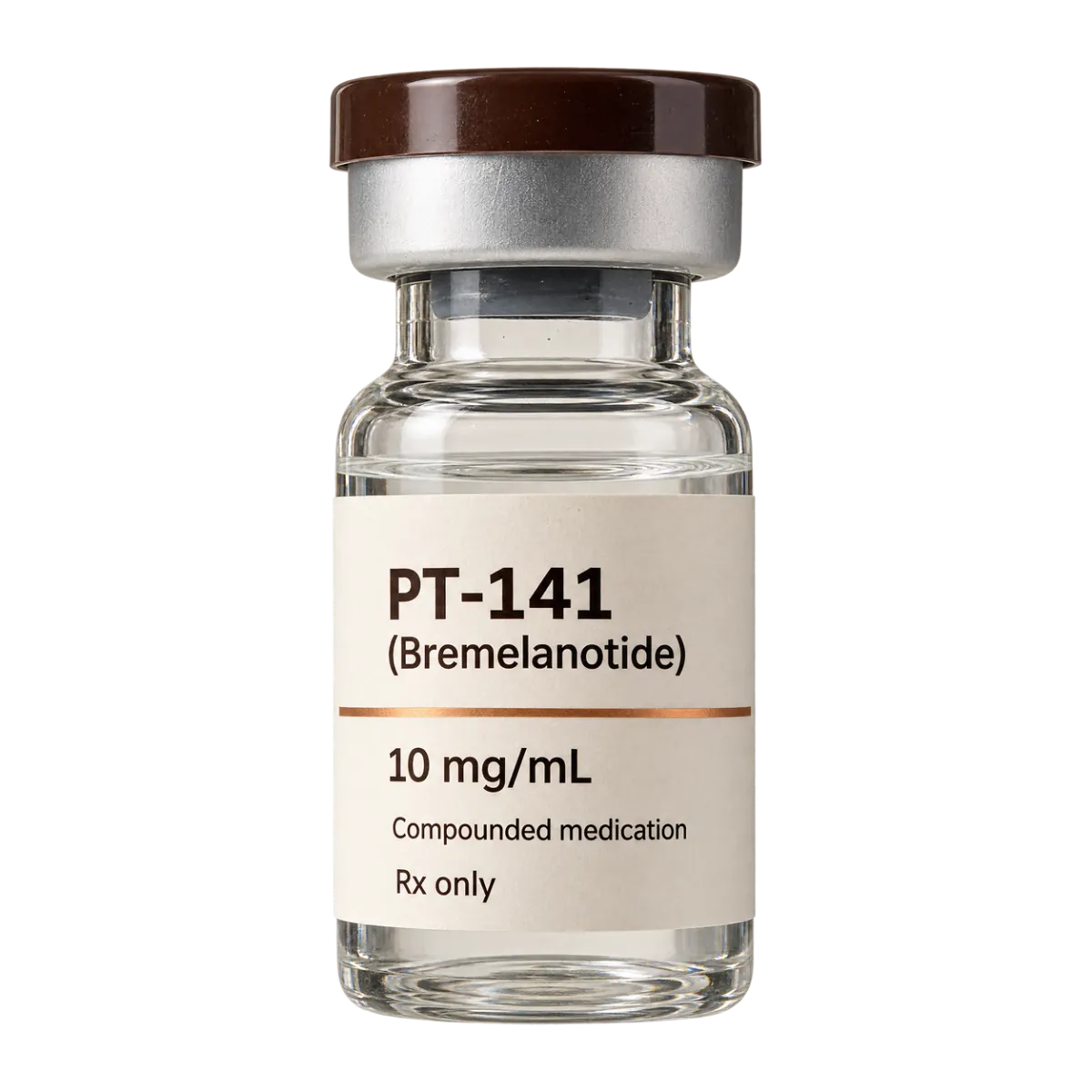
PT-141 Injection
Injection · 10 mg/mL


Estradiol Vaginal Cream
Vaginal Cream · 0.1%

Euphoria O | Oxytocin + L-Arginine Cream
Topical Cream · 30 mg/50 IU per g
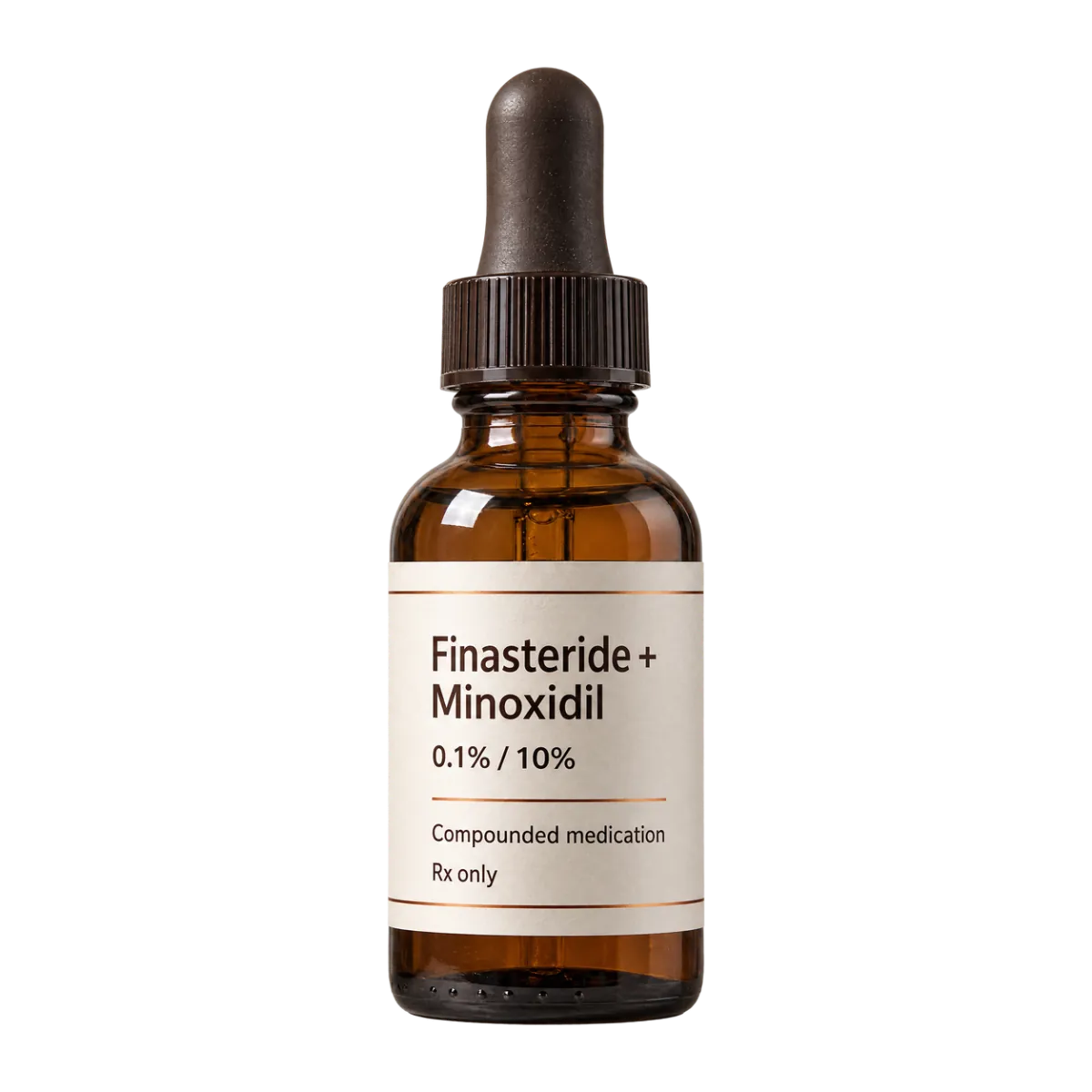
Finasteride + Minoxidil Scalp Solution
Topical Solution · 0.1% / 10%

Glutathione Injection
Injection · 200 mg/mL

Low-Dose Naltrexone (LDN)
Capsule · Flex-dose (1.5 to 4.5 mg)

Methylene Blue
Capsule · 5 mg

MICC Lipotropic Injection
Injection · Methionine / Inositol / Choline / B12

PT-141 Nasal Spray
Nasal Spray · 10 mg/mL

Sermorelin Injection
Injection · 1 mg/mL

Tretinoin + Niacinamide Cream
Topical Cream · Tretinoin + Niacinamide

Vitamin B12 Injection
Injection · 5 mg/mL methylcobalamin
Common questions
Why is progesterone prescribed with estrogen?
If you have a uterus, progesterone protects the uterine lining from the thickening that unopposed estrogen can cause. It is a standard part of the protocol, not an optional add-on.
Why take it at night?
Micronized progesterone commonly causes drowsiness, so evening dosing turns that into an advantage. Many people find it improves sleep.
What are the common side effects?
Drowsiness, dizziness, breast tenderness and bloating, most noticeable early on. Taking it at bedtime with food helps.
Is it the same as a synthetic progestin?
No. Micronized progesterone is structurally identical to the hormone your body makes, unlike synthetic progestins. The distinction matters for how it is tolerated and for some risk profiles.
Start your plan today
Built by a health team that's actually on your side

Prof Brian Kennedy, PhD
Globally recognized aging biologist and former CEO of the Buck Institute for Research on Aging, renowned for pioneering research on sirtuins, mTOR, and healthy aging.
Matt Kaeberlein
World-leading biogerontologist and Founding Director of the Healthy Aging & Longevity Research Institute, celebrated for uncovering the biological mechanisms of aging.
Rhonda Collins, FNP-C
Board-certified Family Nurse Practitioner with 15+ years of clinical experience, specializing in preventative wellness and biomarker-driven personalized care.