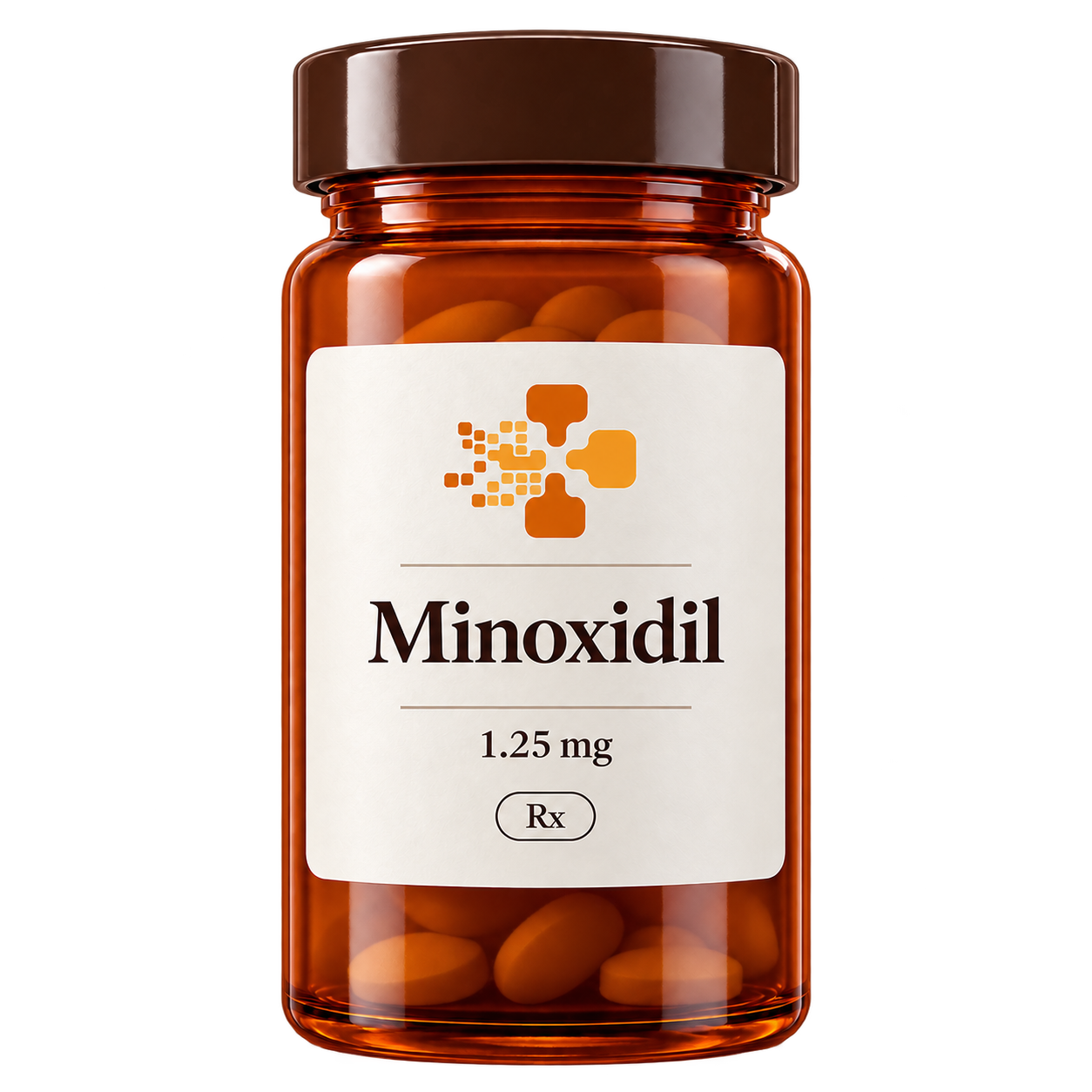
Oral Minoxidil
Tablet · 1.25 mg (1-2.5 mg range)
- Slows shedding, supports regrowth
- Simple once-daily tablet
- Clinician-reviewed & dosed
Choose your plan

Why Low-Dose Oral Minoxidil?
An evidence-supported oral therapy for female-pattern hair thinning — improves scalp perfusion and hair density at doses far below blood-pressure levels. Reassessed at 3–6 months.

What to expect
- A low dose by design — Far below blood-pressure dosing, chosen for the hair effect.
- Early shedding is normal — A brief increase in the first weeks usually precedes improvement.
- Six to twelve months — Visible thickening takes time — judge it at six months, not six weeks.
- Watch for unwanted growth — Hair in other places is the most common effect and is dose-related.
How it works

Online consultation
Answer a few health questions — a licensed provider reviews online. No waiting rooms.

Prescription approved
Once approved, your medication ships discreetly to your door.


Feel the difference
Physician-guided support and check-ins keep results on track.

Dosing, safety & what's inside
Take 1 tablet by mouth daily; assess response at 3-6 months
Read this before you start. The only FDA approved oral minoxidil is for severe high blood pressure, at doses many times higher than the dose used for hair. That label carries a boxed warning for fluid building up around the heart, which can become dangerous, and for worsening chest pain. Hair loss dosing is far lower and no FDA approved product exists at that dose, so the risk at this dose has not been established. Your clinician reviews your heart history before prescribing it.
Oral minoxidil is not approved for hair loss at any dose. Using it this way is off-label, which means the FDA has not reviewed it for this purpose.
Tell your care team straight away if you get chest pain, shortness of breath or trouble lying flat, a racing heartbeat, sudden weight gain or swelling in your hands, feet or face, or you faint.
Common side effects
- unwanted body or facial hair growth
- fluid retention and swelling
- a faster heart rate
- a temporary increase in shedding when you start
Rare but serious
- fluid building up around the heart, reported with antihypertensive doses
- new or worsening chest pain
- salt and water retention
- low platelet or white cell counts
Do not take this if you have a pheochromocytoma, or you have reacted badly to minoxidil before.
This is not a complete list of side effects. Message your care team about any symptom that worries you. What we dispense is a compounded preparation made by a licensed US pharmacy. Compounded medications are not approved by the FDA for safety, efficacy or quality.
More in this category
Advanced Panel
Comprehensive panel across 12 body systems.
Essential Panel
Core biomarker panel — the fastest way to start treatment.

BiEst 80/20 Hormone Cream
Topical Cream · 2.5 mg/mL (80% estriol / 20% estradiol)

Enclomiphene
Capsule · 12.5 mg / 25 mg
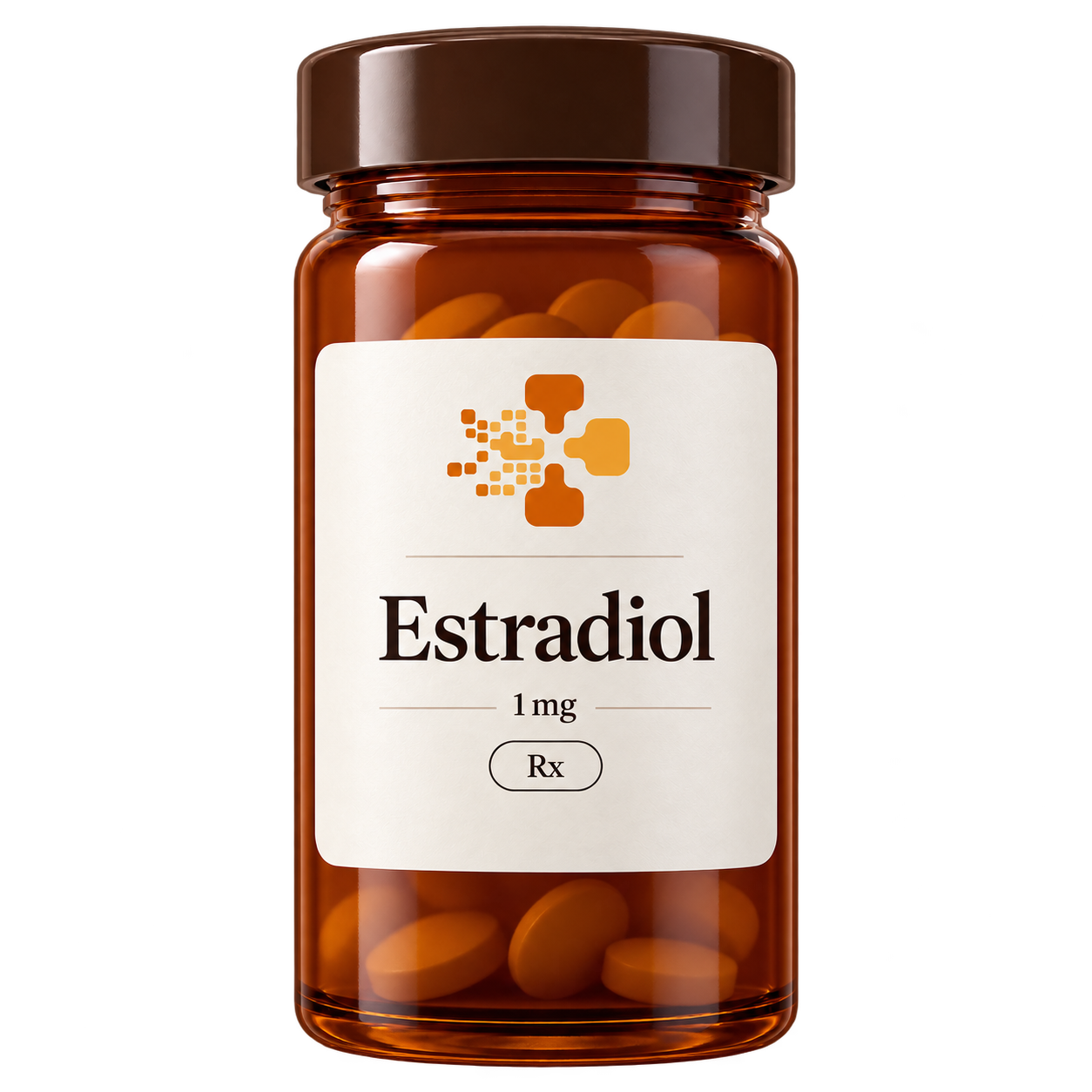
Estradiol Oral
Tablet · 1 mg (0.5-2 mg range)
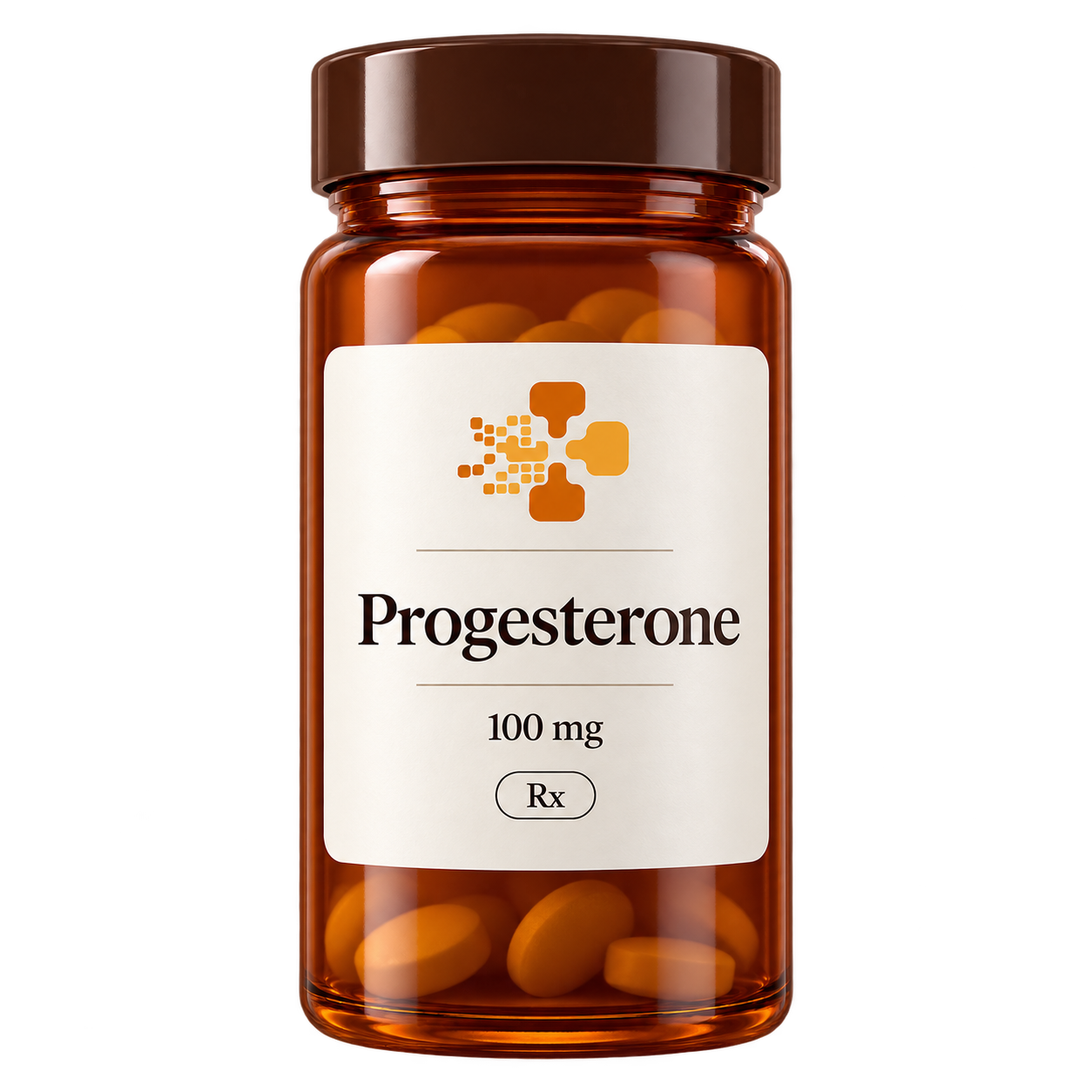
Progesterone Capsules
Capsule · 100 mg / 200 mg
Semaglutide + B12
Injection · 2.5 mg/mL (semaglutide)
Sildenafil
Tablet · 100 mg
Tadalafil Daily
Tablet · 5 mg
Tirzepatide + B12
Injection · 10 mg/mL (tirzepatide)
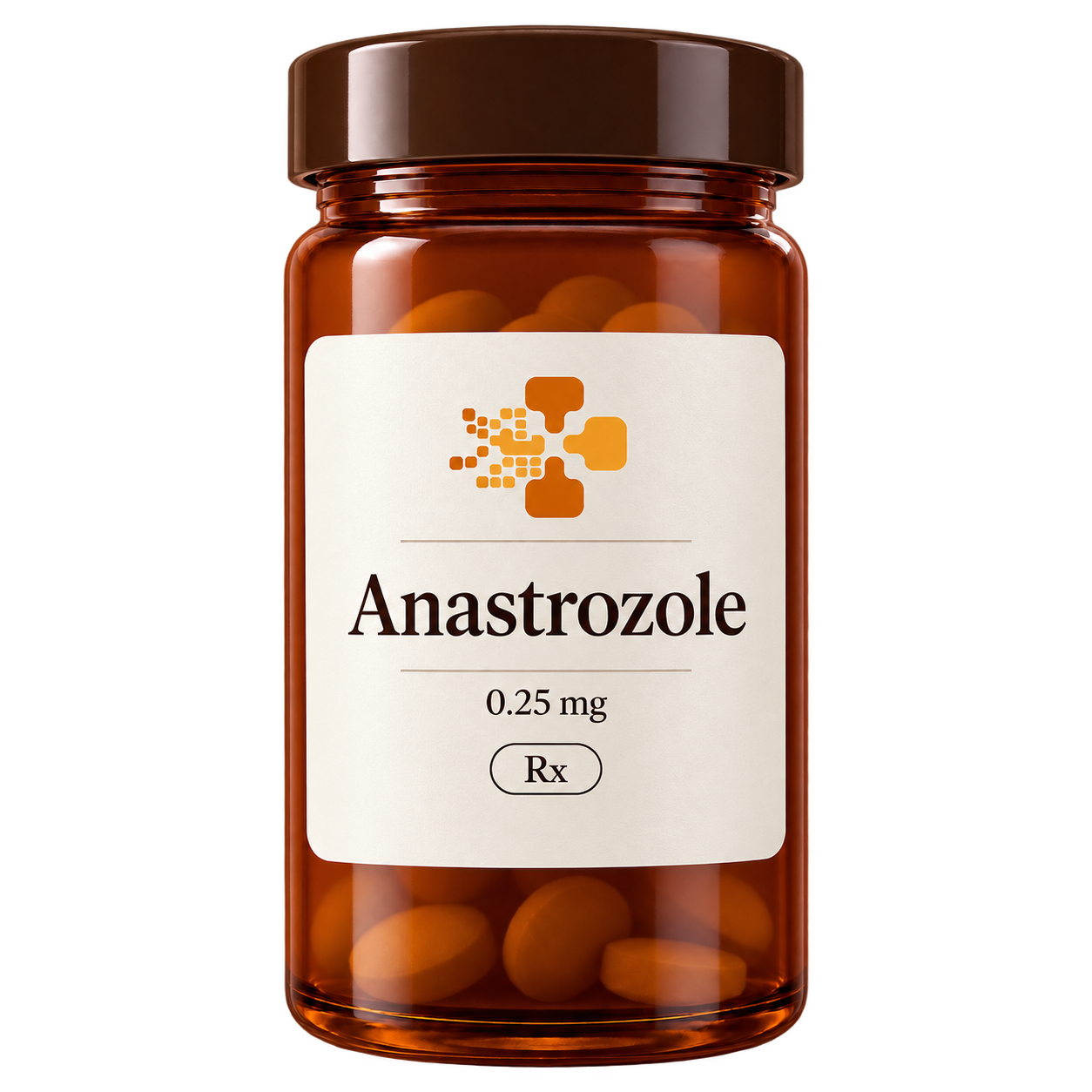
Anastrozole Add-On
Tablet · 0.25 mg

Cedar Hair Tablet | Finasteride + Minoxidil + Biotin
Tablet · 1 mg / 2.5 mg / biotin

Levothyroxine
Tablet · 50 mcg (25-100 mcg range)

Liothyronine
Tablet · 5 mcg
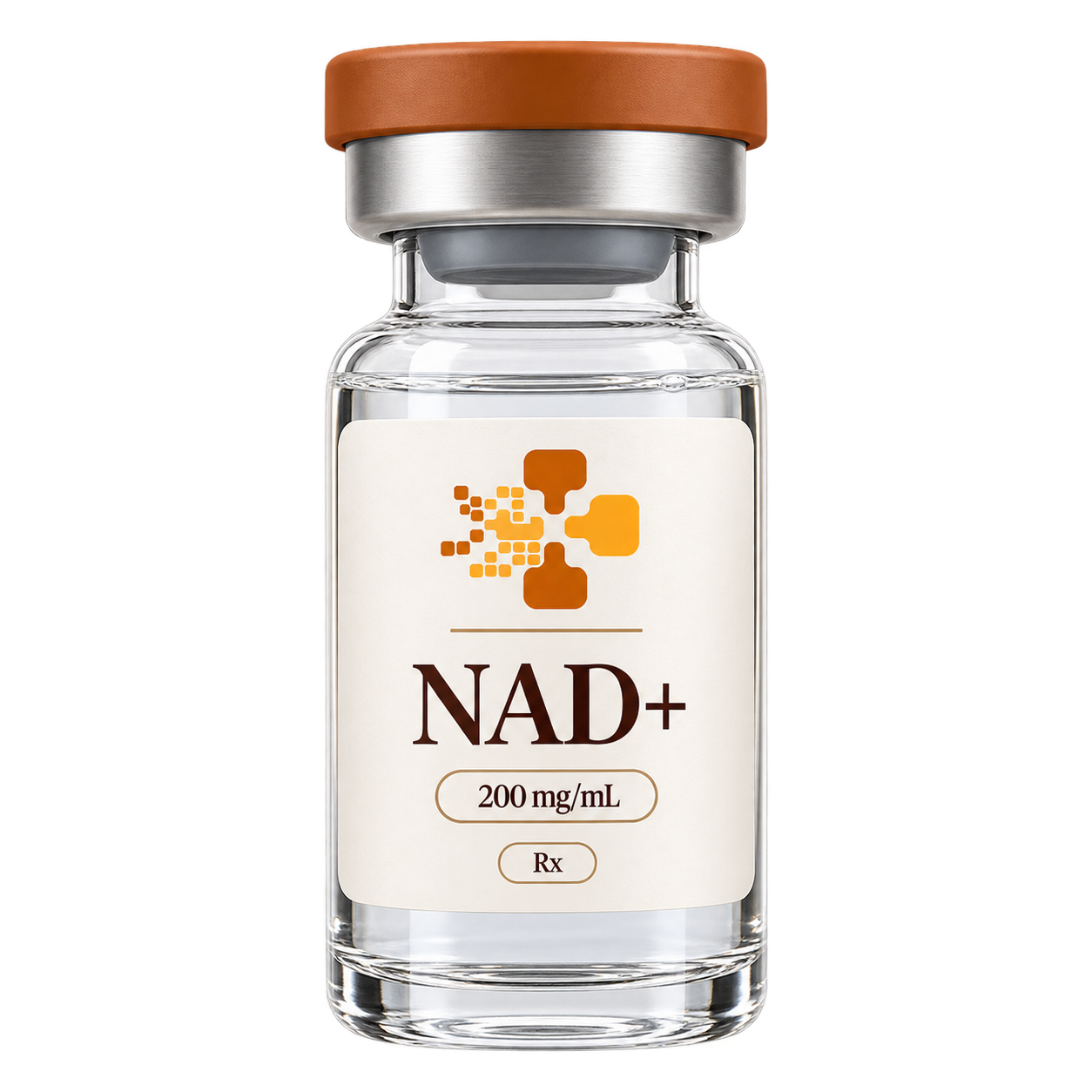
NAD+ Injection
Injection · 200 mg/mL
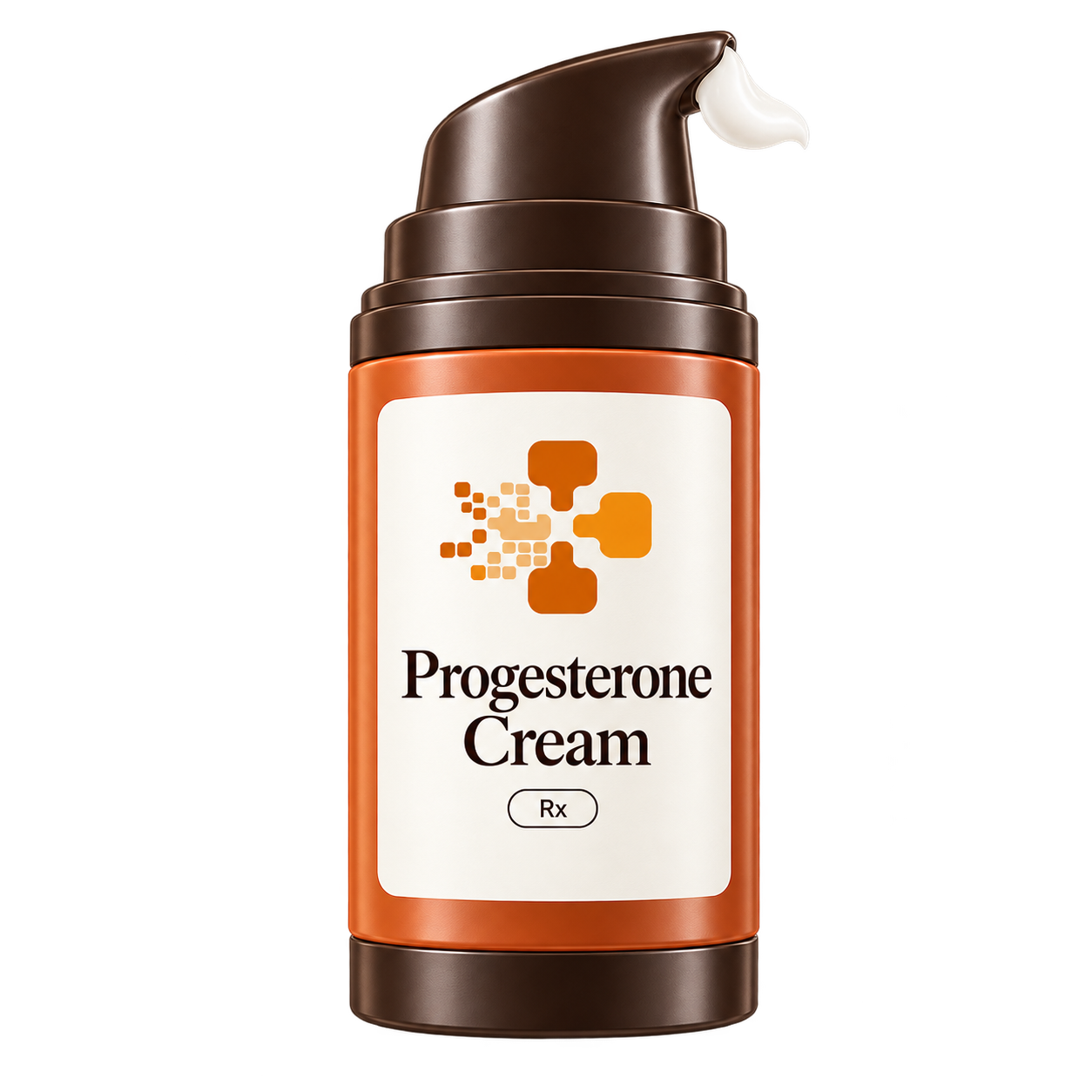
Progesterone Cream
Topical Cream · 20 mg/mL

Clomiphene
Capsule · 25 mg
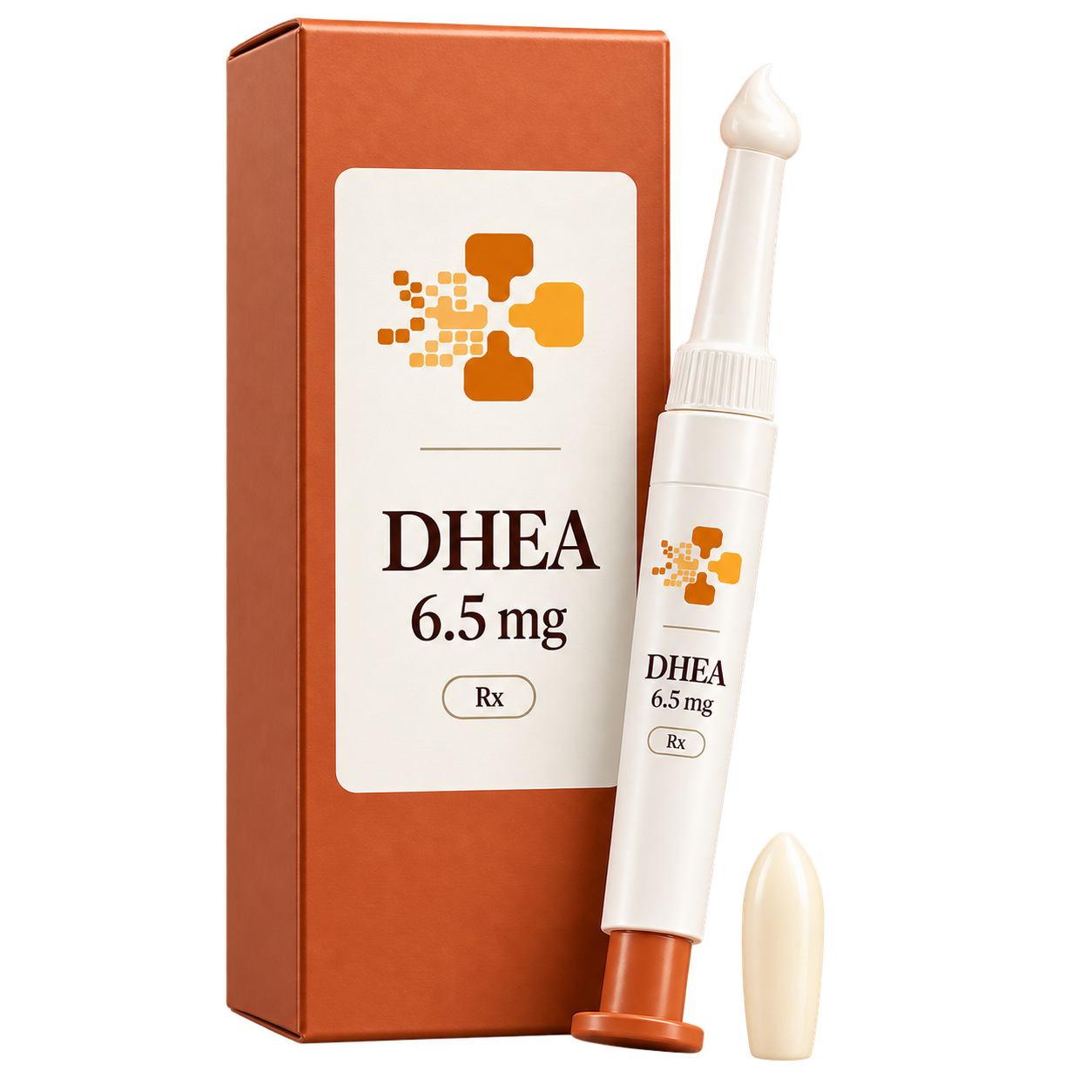
DHEA Vaginal Suppository
Vaginal Suppository · 6.5 mg
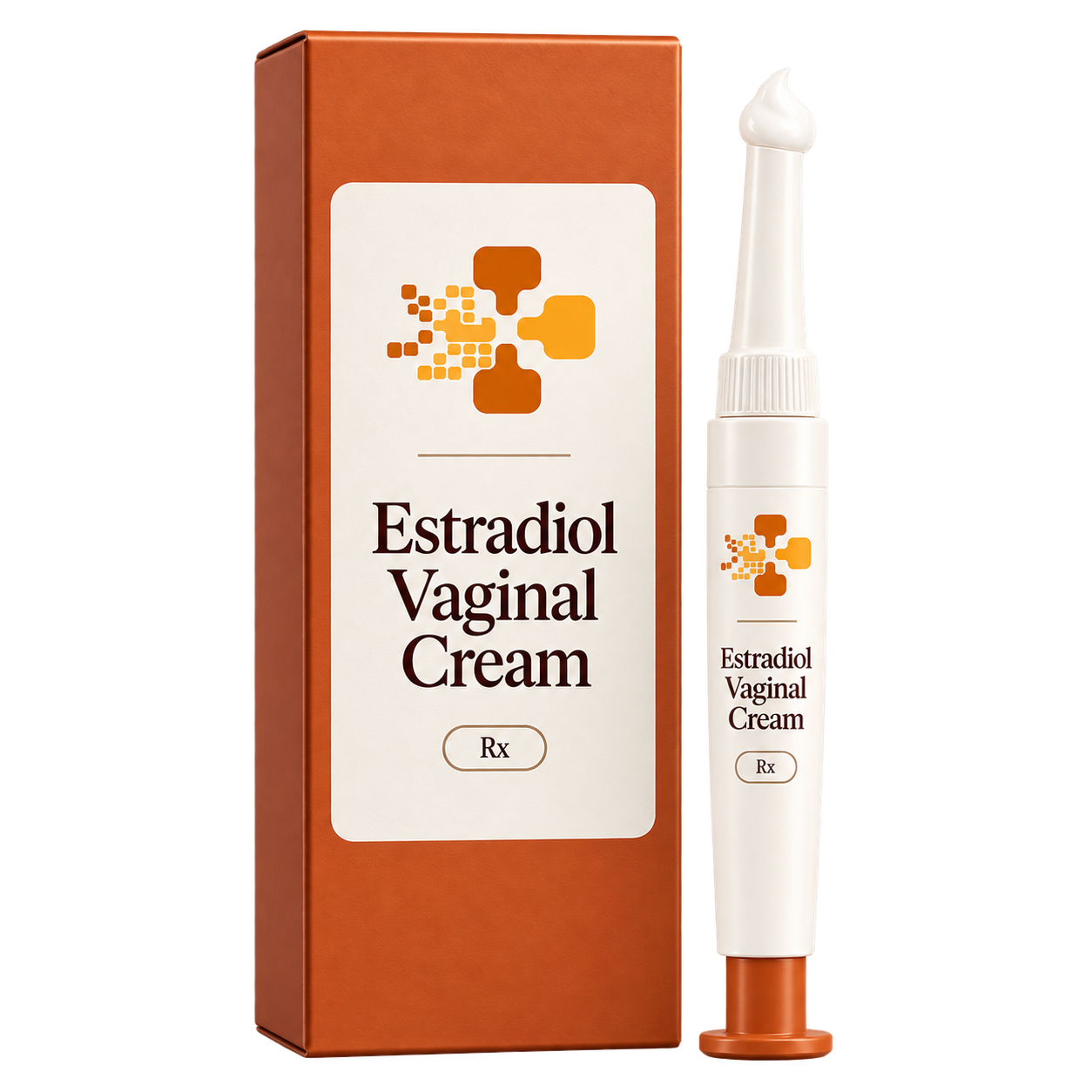
Estradiol Vaginal Cream
Vaginal Cream · 0.1%
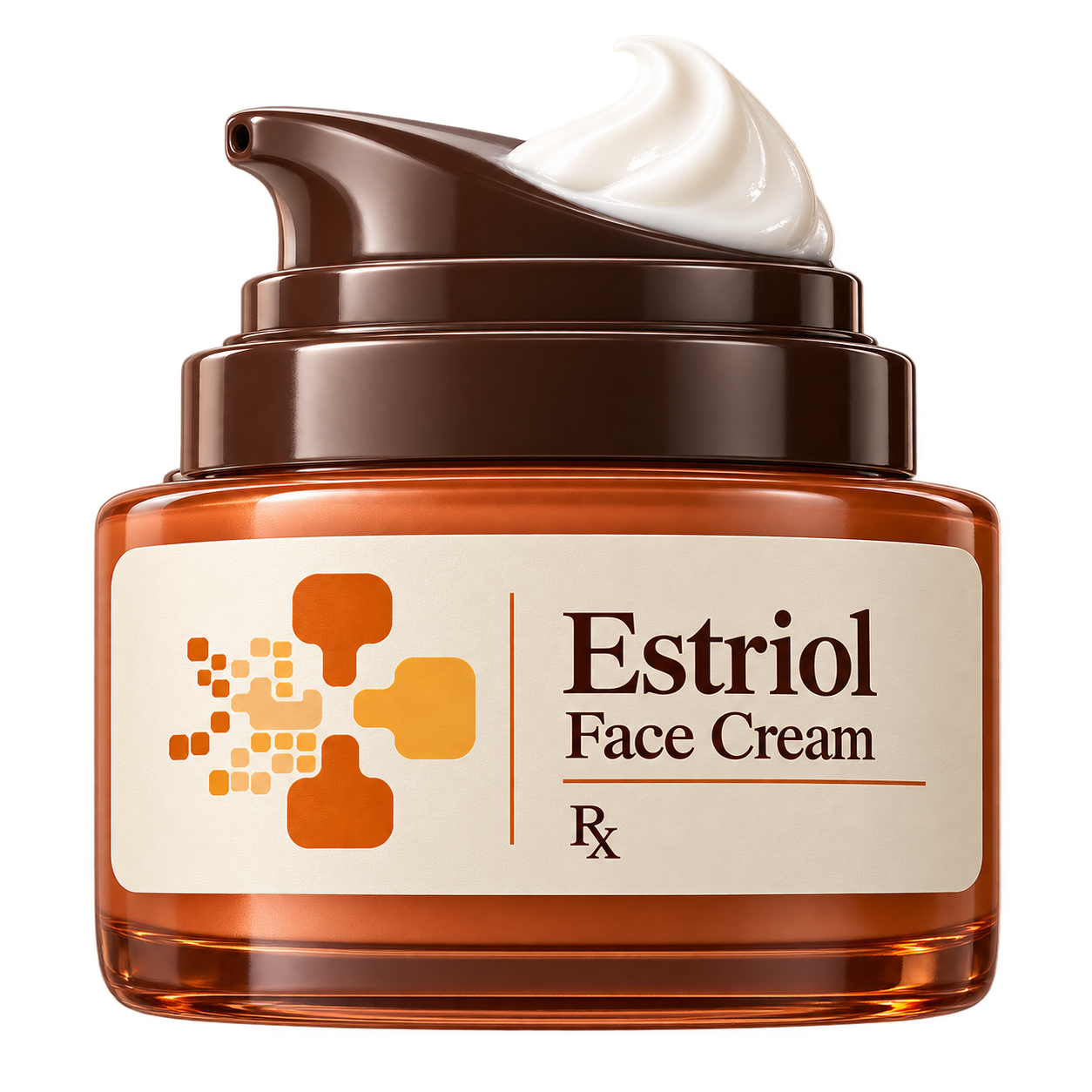
Estriol Face Cream
Topical Cream · Estriol 0.3%
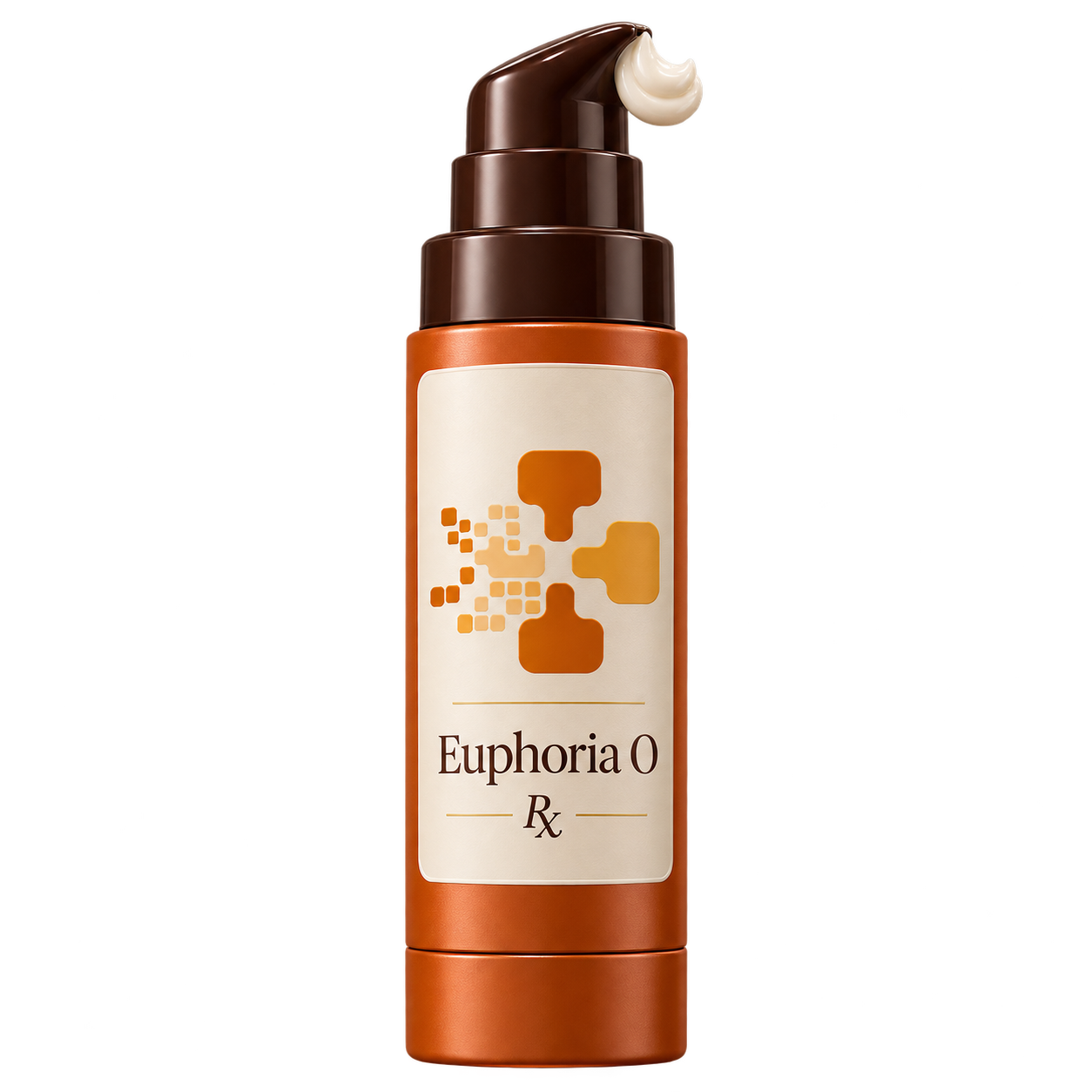
Euphoria O | Oxytocin + L-Arginine Cream
Topical Cream · 30 mg/50 IU per g
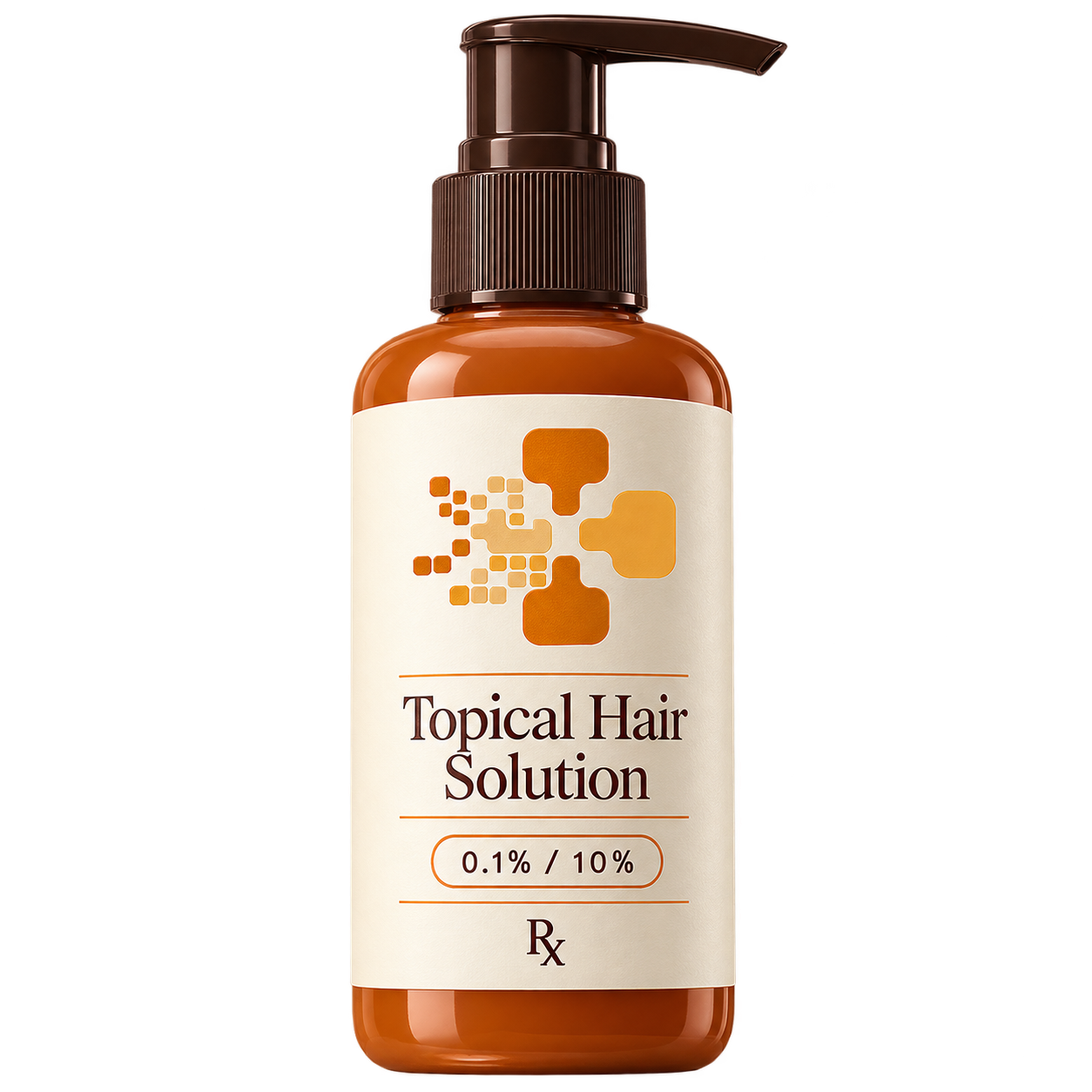
Finasteride + Minoxidil Scalp Solution
Topical Solution · 0.1% / 10%
Liraglutide Injection
Injection · 6 mg/mL
Low-Dose Naltrexone (LDN)
Capsule · Flex-dose (1.5 to 4.5 mg)
MIC + B12 Injection
Injection · MIC + B12 1000 mcg

MICC Lipotropic Injection
Injection · Methionine / Inositol / Choline / B12
Rosacea Triple Cream
Topical Cream · Triple combination
Sermorelin Injection
Injection · 1 mg/mL
Sildenafil Arousal Cream
Topical Cream · 4%

Vitamin B12 Injection
Injection · 5 mg/mL methylcobalamin
Common questions
Why oral rather than topical minoxidil?
Low-dose oral minoxidil avoids the daily mess, scalp irritation and application routine of topical treatment, and some people who did not respond to topical do respond to oral. It is prescribed off-label for hair loss at doses far below those used for blood pressure.
How long before I see results?
Reduced shedding often comes first at around three months, with visible thickening typically between six and twelve months.
What are the possible side effects?
Unwanted hair growth elsewhere — face, arms — is the most common and is dose-related. Fluid retention, ankle swelling, dizziness and a faster heart rate are also reported. Tell your clinician about any of these.
Is an increase in shedding at the start normal?
Yes. A temporary increase in shedding in the first weeks is common as follicles shift into a new growth cycle. It is not a sign the treatment is failing.
Start your plan today
Built by a health team that's actually on your side

Prof Brian Kennedy, PhD
Globally recognized aging biologist and former CEO of the Buck Institute for Research on Aging, renowned for pioneering research on sirtuins, mTOR, and healthy aging.
Matt Kaeberlein
World-leading biogerontologist and Founding Director of the Healthy Aging & Longevity Research Institute, celebrated for uncovering the biological mechanisms of aging.
Rhonda Collins, FNP-C
Board-certified Family Nurse Practitioner with 15+ years of clinical experience, specializing in preventative wellness and biomarker-driven personalized care.