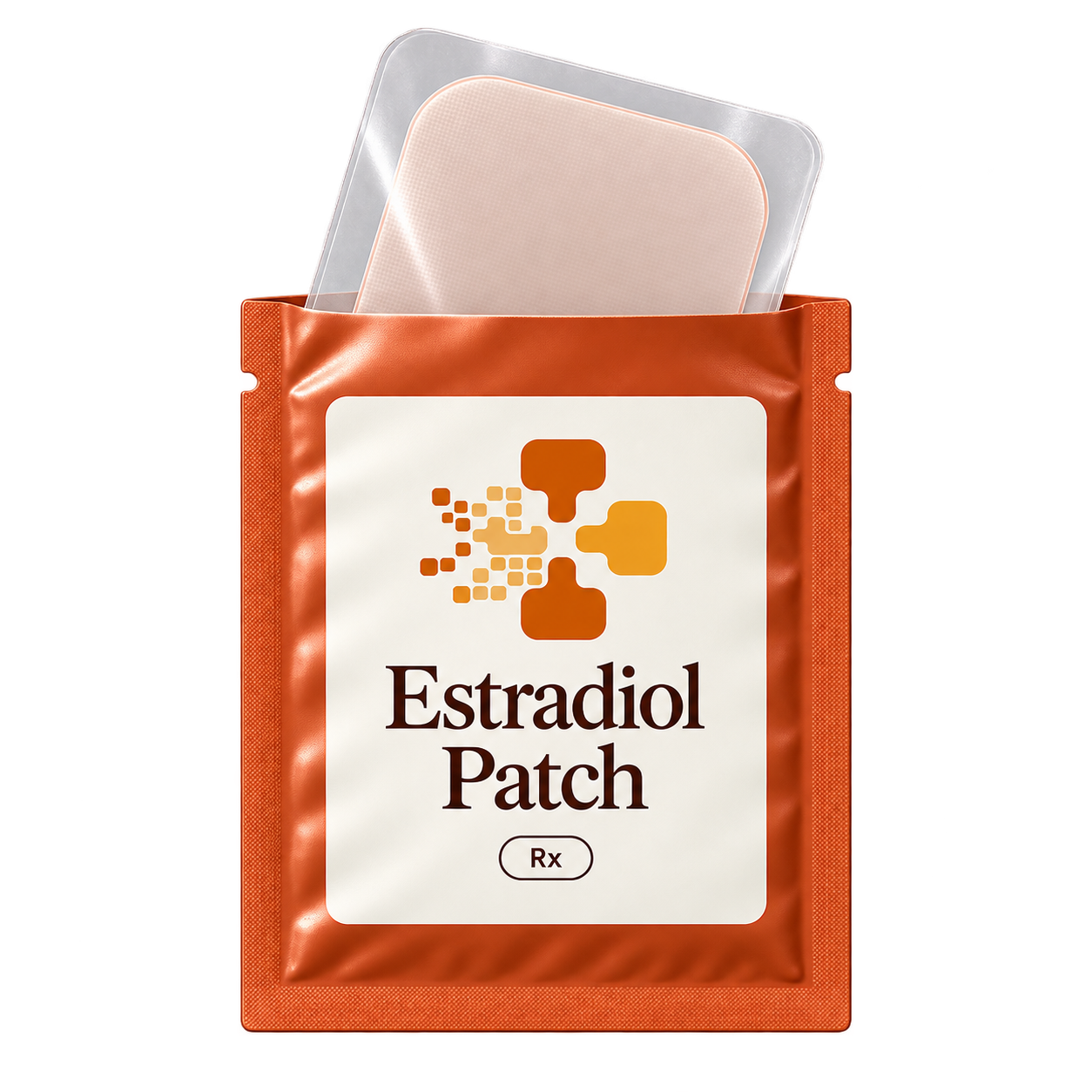
Estradiol Patch
Transdermal Patch · 0.05 mg/day (0.025-0.1 mg/day range)
- Twice-weekly, steady relief
- Discreet & convenient
- Preferred for VTE-risk profiles
Choose your plan
This treatment starts with labs
Your clinician needs recent blood work to prescribe safely. Two ways to get it done:

Why the Estradiol Patch?
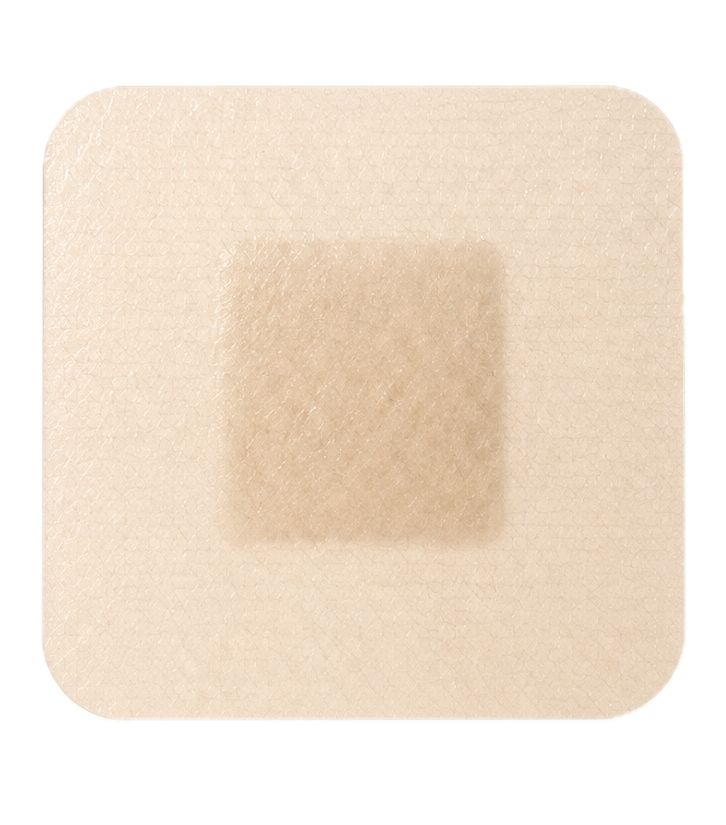
Patches deliver steady-state estradiol through the skin — avoiding first-pass liver metabolism. Preferred for members with elevated VTE risk or migraine history. Change twice weekly; labs guide dosing.
What to expect
- Bloodwork first — Baseline labs and history determine whether therapy is appropriate.
- Twice-weekly changes — A simple routine on the same two days each week.
- Two to four weeks — Hot flushes and night sweats are usually the first to ease.
- Dose gets reviewed — The starting dose is revisited once your response is clear.
From order to optimized

Health assessment panel
Quick lab panel at 2,000+ locations near you — or upload recent bloodwork and we may use your existing results.

Review your results
A licensed clinician reviews your levels, symptoms and goals, builds your personalized plan, and ships it to your door.


Feel the difference
Most members notice improvements within weeks. We recheck labs at 90 days and fine-tune your dose.
How it works
Online consultation
Answer a few health questions — a licensed provider reviews online. No waiting rooms.

Prescription approved
Once approved, your medication ships discreetly to your door.
Feel the difference
Physician-guided support and check-ins keep results on track.

Dosing, safety & what's inside
Apply 1 patch to lower abdomen twice weekly (every 3-4 days); rotate sites; titrate per symptoms and labs
Benefits: steady-state transdermal estradiol avoiding first-pass hepatic metabolism - preferred delivery for VTE-risk and migraine patients. Baseline labs required prior to initial prescription (Vitals Vault Tier 1); follow-up labs at 6-12 weeks for titration. Risks: skin irritation at site, breast tenderness; progesterone co-prescribed for uterine protection where indicated.
More in this category
Advanced Panel
Comprehensive panel across 12 body systems.
Essential Panel
Core biomarker panel — the fastest way to start treatment.

BiEst 80/20 Hormone Cream
Topical Cream · 2.5 mg/mL (80% estriol / 20% estradiol)

Enclomiphene
Capsule · 12.5 mg / 25 mg
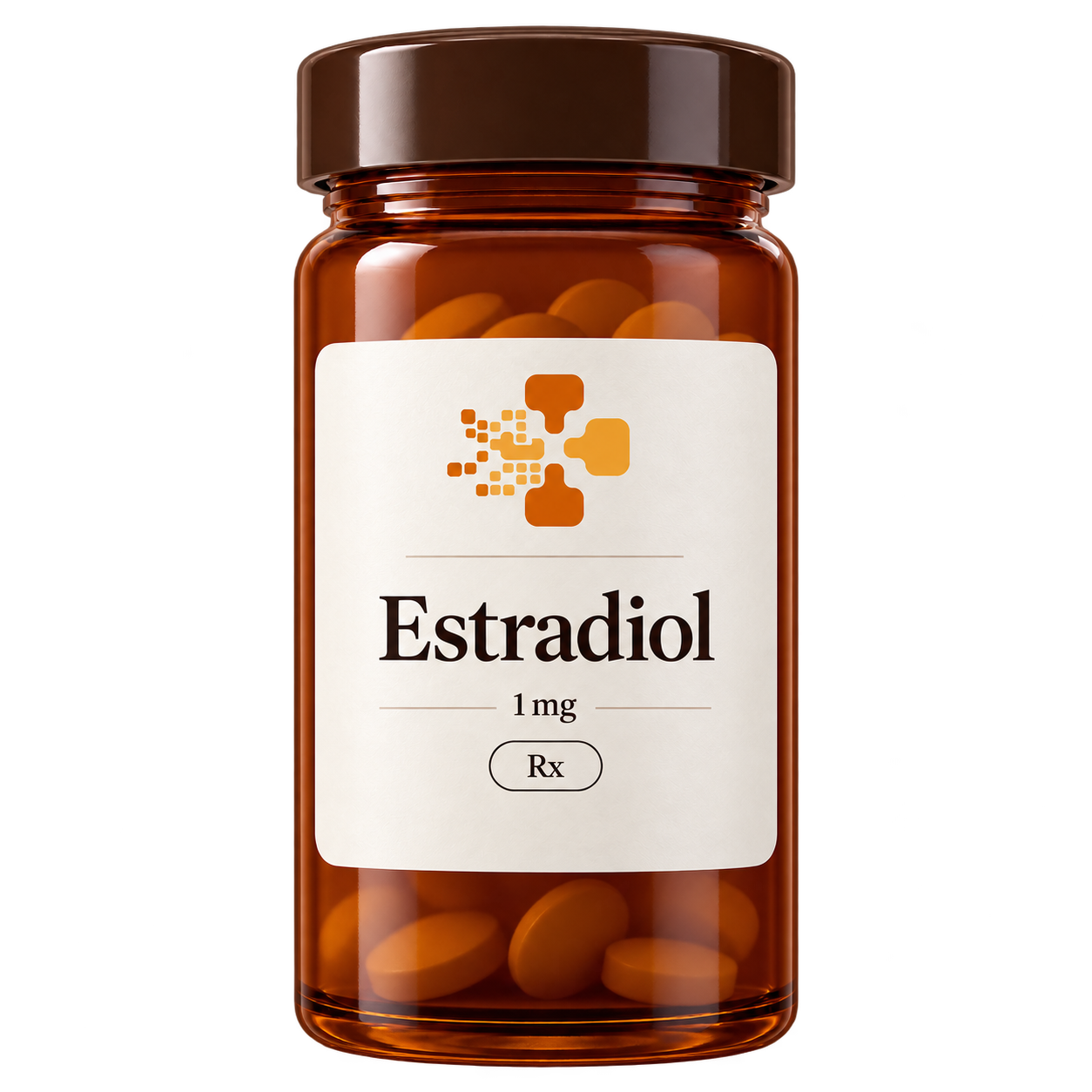
Estradiol Oral
Tablet · 1 mg (0.5-2 mg range)
Progesterone Capsules
Capsule · 100 mg / 200 mg
Semaglutide + B12
Injection · 2.5 mg/mL (semaglutide)
Sildenafil
Tablet · 100 mg
Tadalafil Daily
Tablet · 5 mg
Tirzepatide + B12
Injection · 10 mg/mL (tirzepatide)
Anastrozole Add-On
Tablet · 0.25 mg

Cedar Hair Tablet | Finasteride + Minoxidil + Biotin
Tablet · 1 mg / 2.5 mg / biotin

Levothyroxine
Tablet · 50 mcg (25-100 mcg range)

Liothyronine
Tablet · 5 mcg
NAD+ Injection
Injection · 200 mg/mL
Progesterone Cream
Topical Cream · 20 mg/mL

Clomiphene
Capsule · 25 mg
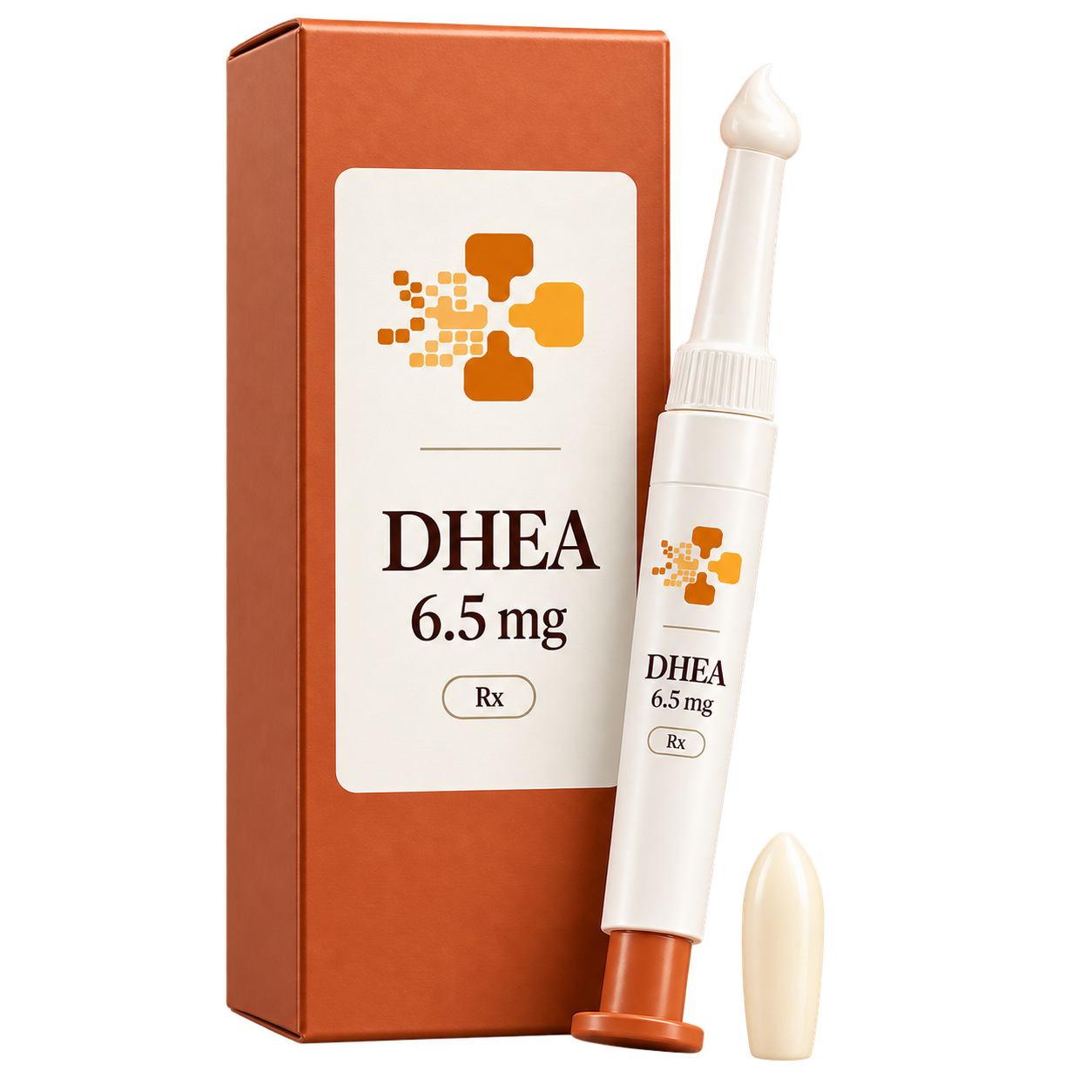
DHEA Vaginal Suppository
Vaginal Suppository · 6.5 mg
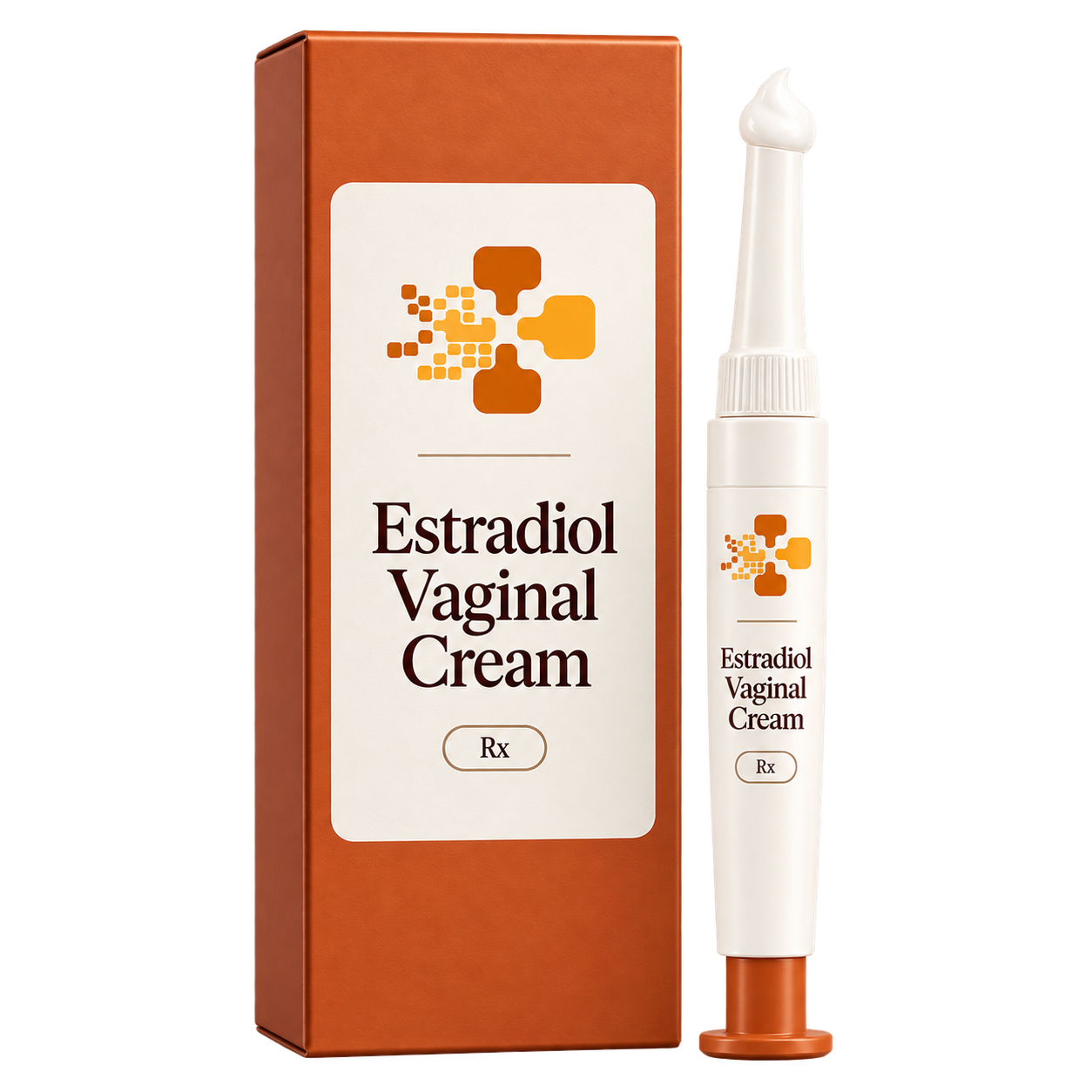
Estradiol Vaginal Cream
Vaginal Cream · 0.1%
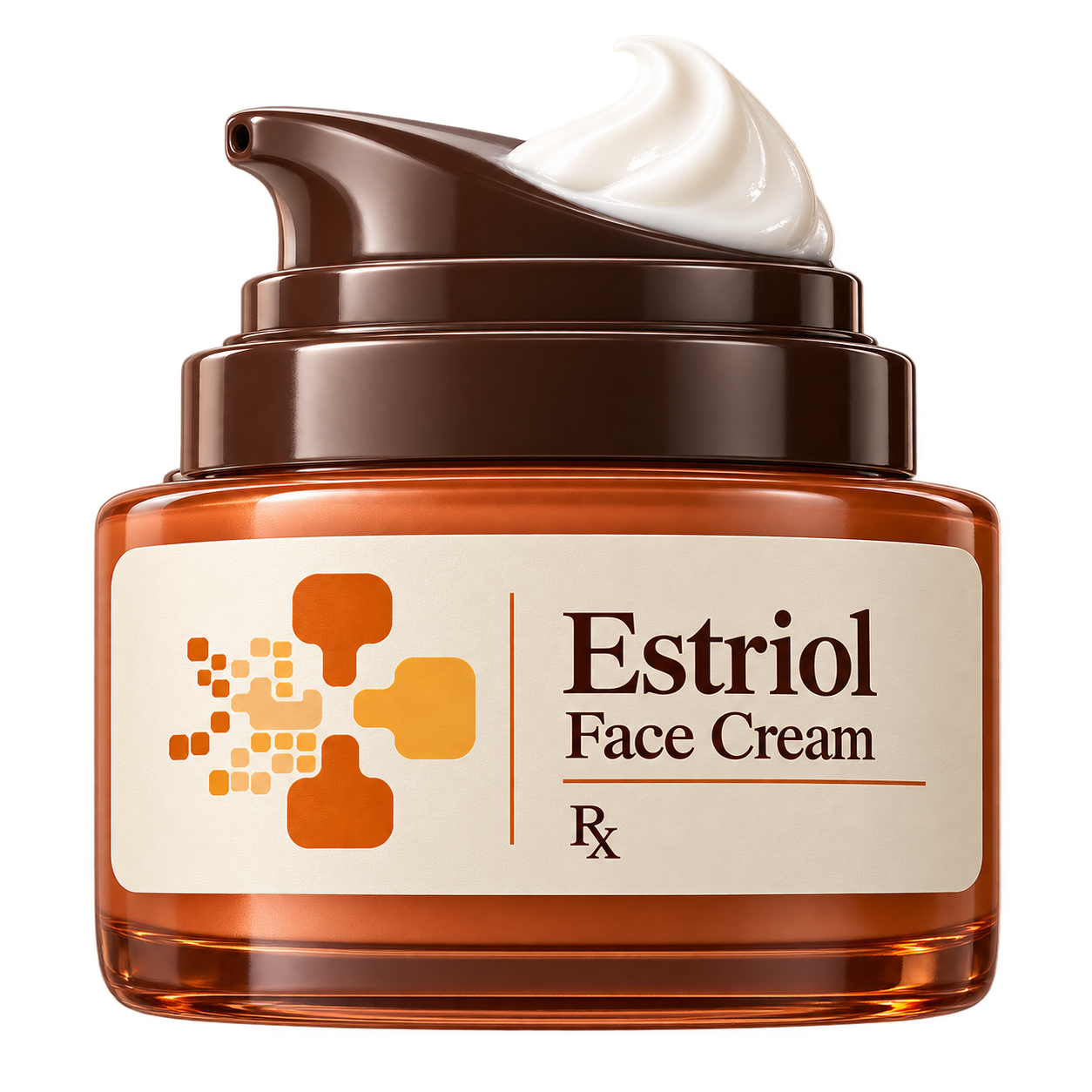
Estriol Face Cream
Topical Cream · Estriol 0.3%
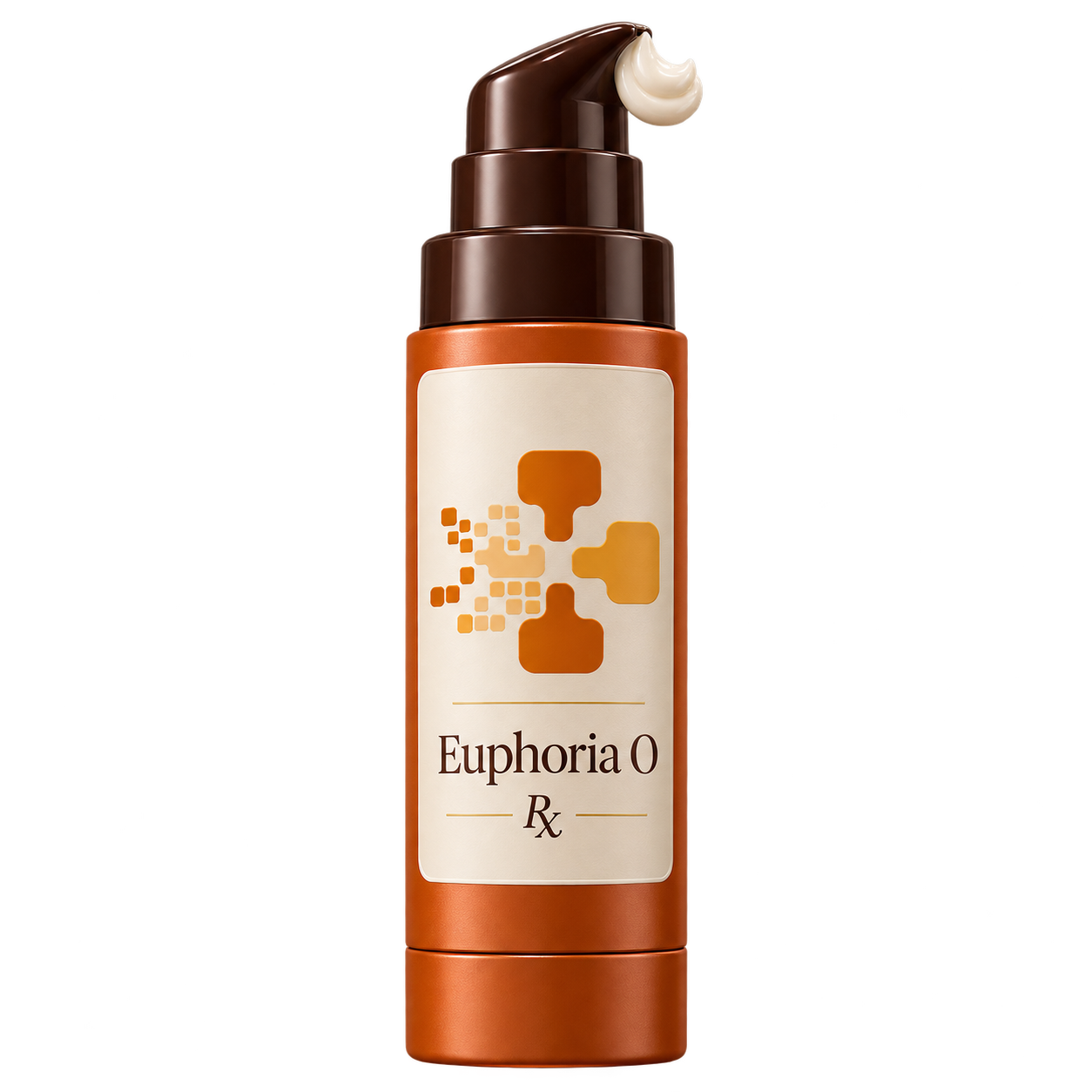
Euphoria O | Oxytocin + L-Arginine Cream
Topical Cream · 30 mg/50 IU per g

Finasteride + Minoxidil Scalp Solution
Topical Solution · 0.1% / 10%
Liraglutide Injection
Injection · 6 mg/mL
Low-Dose Naltrexone (LDN)
Capsule · Flex-dose (1.5 to 4.5 mg)
MIC + B12 Injection
Injection · MIC + B12 1000 mcg

MICC Lipotropic Injection
Injection · Methionine / Inositol / Choline / B12
Rosacea Triple Cream
Topical Cream · Triple combination
Sermorelin Injection
Injection · 1 mg/mL
Sildenafil Arousal Cream
Topical Cream · 4%

Vitamin B12 Injection
Injection · 5 mg/mL methylcobalamin
Common questions
Why a patch rather than a tablet?
A transdermal patch delivers estradiol through the skin and bypasses the liver on first pass. This route is generally associated with a lower risk of blood clots than oral estrogen, which is why it is often preferred as a starting point.
How often do I change it?
Usually twice a week, on the same two days each week. Apply to clean, dry skin below the waist and rotate the site to avoid irritation.
How soon will symptoms improve?
Hot flushes and night sweats often improve within two to four weeks. Sleep and mood typically follow. Vaginal symptoms can take longer.
Do I need progesterone alongside estrogen?
If you still have a uterus, yes — unopposed estrogen increases the risk of endometrial changes. Your clinician will prescribe progesterone alongside as standard.
What are the risks I should know about?
Menopausal hormone therapy carries risks that depend on your age, time since menopause, personal and family history, and the route of delivery. Your clinician goes through these with you before prescribing. It is not appropriate for everyone.
Start your plan today
Built by a health team that's actually on your side

Prof Brian Kennedy, PhD
Globally recognized aging biologist and former CEO of the Buck Institute for Research on Aging, renowned for pioneering research on sirtuins, mTOR, and healthy aging.
Matt Kaeberlein
World-leading biogerontologist and Founding Director of the Healthy Aging & Longevity Research Institute, celebrated for uncovering the biological mechanisms of aging.
Rhonda Collins, FNP-C
Board-certified Family Nurse Practitioner with 15+ years of clinical experience, specializing in preventative wellness and biomarker-driven personalized care.