
Testosterone Cypionate Injection (Men)
Injection · 200 mg/mL
- Restores healthy testosterone levels
- More energy, drive, and strength
- Convenient weekly injection
Choose your plan
This treatment starts with labs
Your clinician needs recent blood work to prescribe safely. Two ways to get it done:

What is Testosterone Replacement Therapy?
Testosterone naturally declines from your 30s onward — bringing low energy, stubborn weight, brain fog, and reduced drive. TRT safely restores your levels to the optimal range so you feel sharper, stronger, and more like yourself. Every plan is built from your labs and adjusted over time — never a guess.

What to expect
- Bloodwork first — A baseline panel confirms whether therapy is appropriate before anything is prescribed.
- A starting dose, not a final one — Your first dose is a starting point; follow-up labs tell your clinician where it should settle.
- Changes arrive in stages — Energy, mood and libido often shift first. Changes in body composition usually take longer.
- Ongoing monitoring — Repeat labs check testosterone, haematocrit and other markers so your dose stays in a safe range.
From order to optimized

Health assessment panel
Quick lab panel at 2,000+ locations near you — or upload recent bloodwork and we may use your existing results.

Review your results
A licensed clinician reviews your levels, symptoms and goals, builds your personalized plan, and ships it to your door.


Feel the difference
Most members notice improvements within weeks. We recheck labs at 90 days and fine-tune your dose.
How it works
Online consultation
Answer a few health questions — a licensed provider reviews online. No waiting rooms.

Prescription approved
Once approved, your medication ships discreetly to your door.
Feel the difference
Physician-guided support and check-ins keep results on track.

Dosing, safety & what's inside
Inject 40-50 units (80-100 mg) subcutaneously or IM twice weekly (160-200 mg/week total); titrate per 6-8 week labs (total/free testosterone, estradiol, hematocrit, PSA)
Controlled substance, DEA Schedule III. Baseline labs are required before your first prescription, with follow-up labs at 6 to 12 weeks to guide dosing. Benefits: The most established form of testosterone therapy for symptomatic low testosterone confirmed on labs. Twice-weekly subcutaneous dosing keeps levels steadier than less frequent injections. Syringes and sharps guidance are included. Risks: A raised red cell count, which is why hematocrit is monitored. Fertility is suppressed while you are on therapy. Acne and mood changes are possible. PSA and cardiovascular screening are part of the monitoring.
More in this category
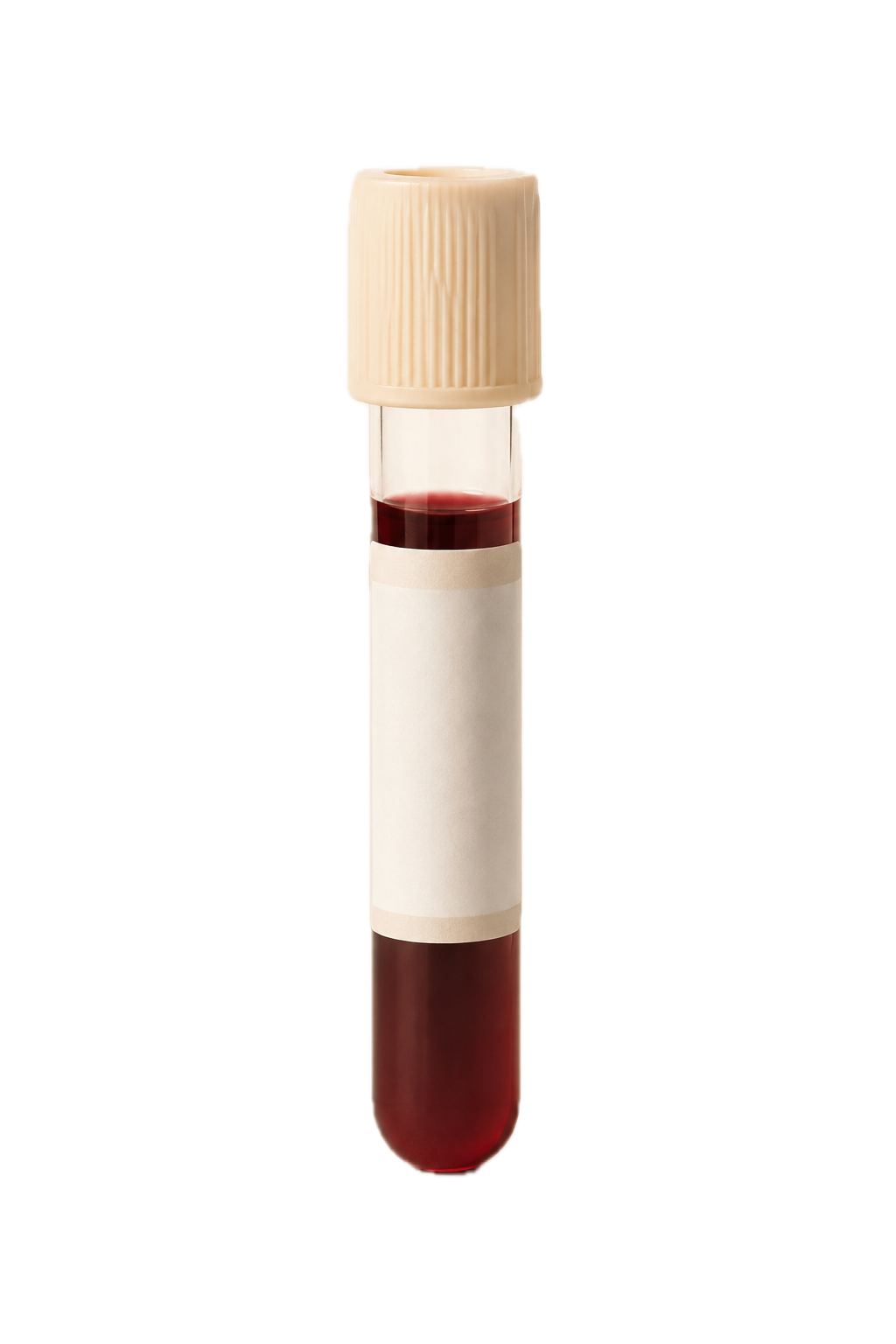
Advanced Panel
Comprehensive panel across 12 body systems.
Essential Panel
Core biomarker panel — the fastest way to start treatment.

BiEst 80/20 Hormone Cream
Topical Cream · 2.5 mg/mL (80% estriol / 20% estradiol)

Enclomiphene
Capsule · 12.5 mg / 25 mg

Estradiol Oral
Tablet · 1 mg (0.5-2 mg range)
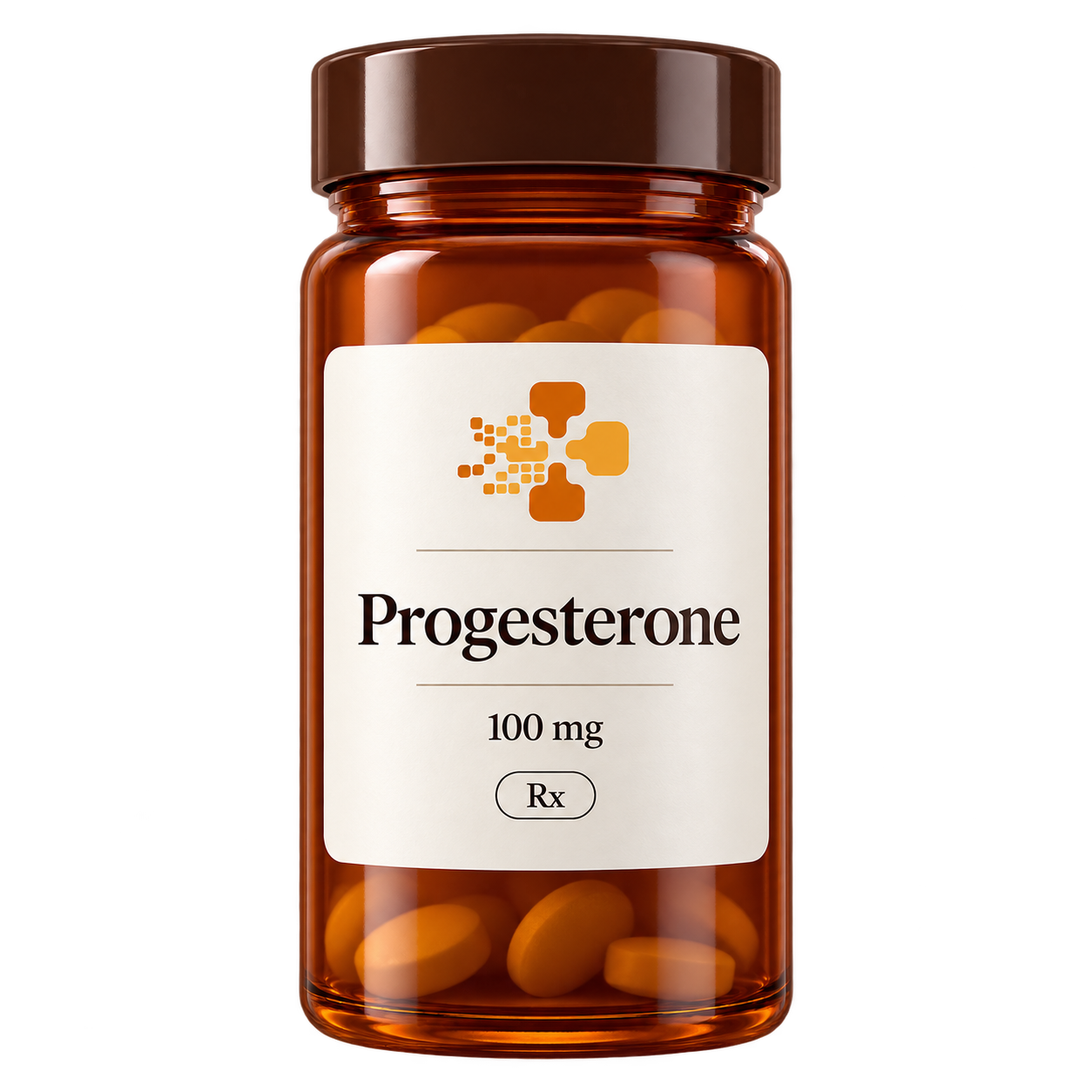
Progesterone Capsules
Capsule · 100 mg / 200 mg

Semaglutide + B12
Injection · 2.5 mg/mL (semaglutide)
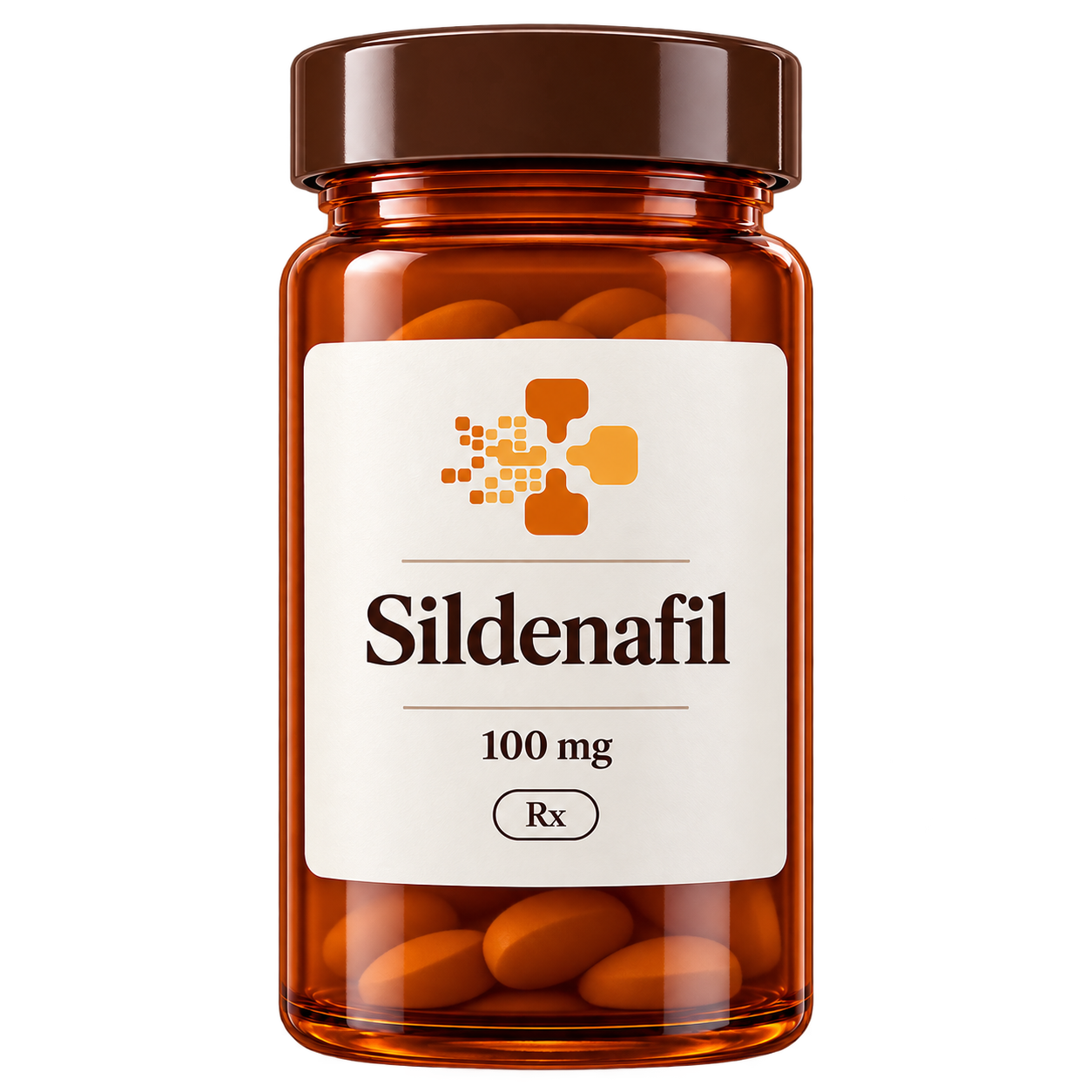
Sildenafil
Tablet · 100 mg

Tadalafil Daily
Tablet · 5 mg
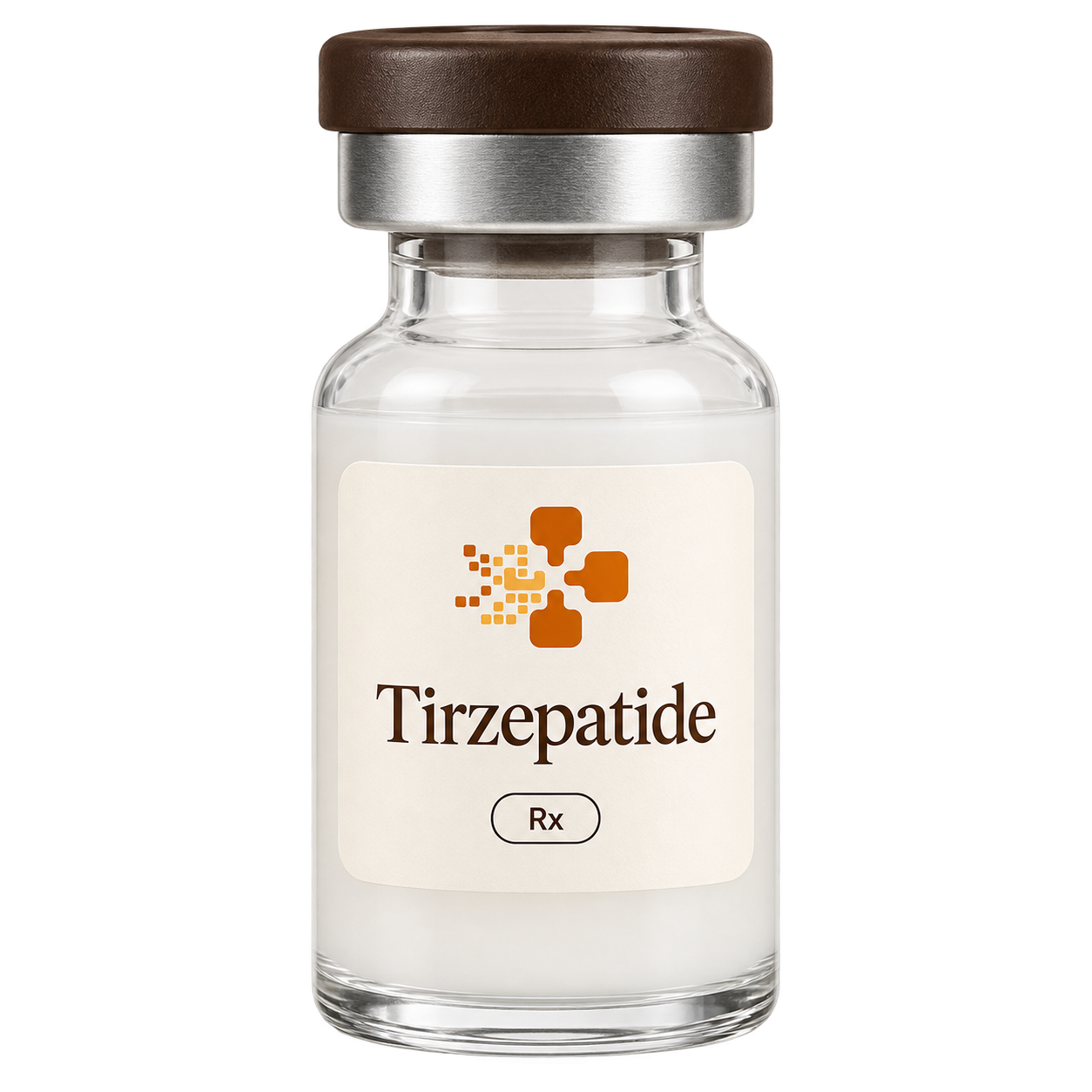
Tirzepatide + B12
Injection · 10 mg/mL (tirzepatide)

Anastrozole Add-On
Tablet · 0.25 mg

Cedar Hair Tablet | Finasteride + Minoxidil + Biotin
Tablet · 1 mg / 2.5 mg / biotin

Levothyroxine
Tablet · 50 mcg (25-100 mcg range)

Liothyronine
Tablet · 5 mcg
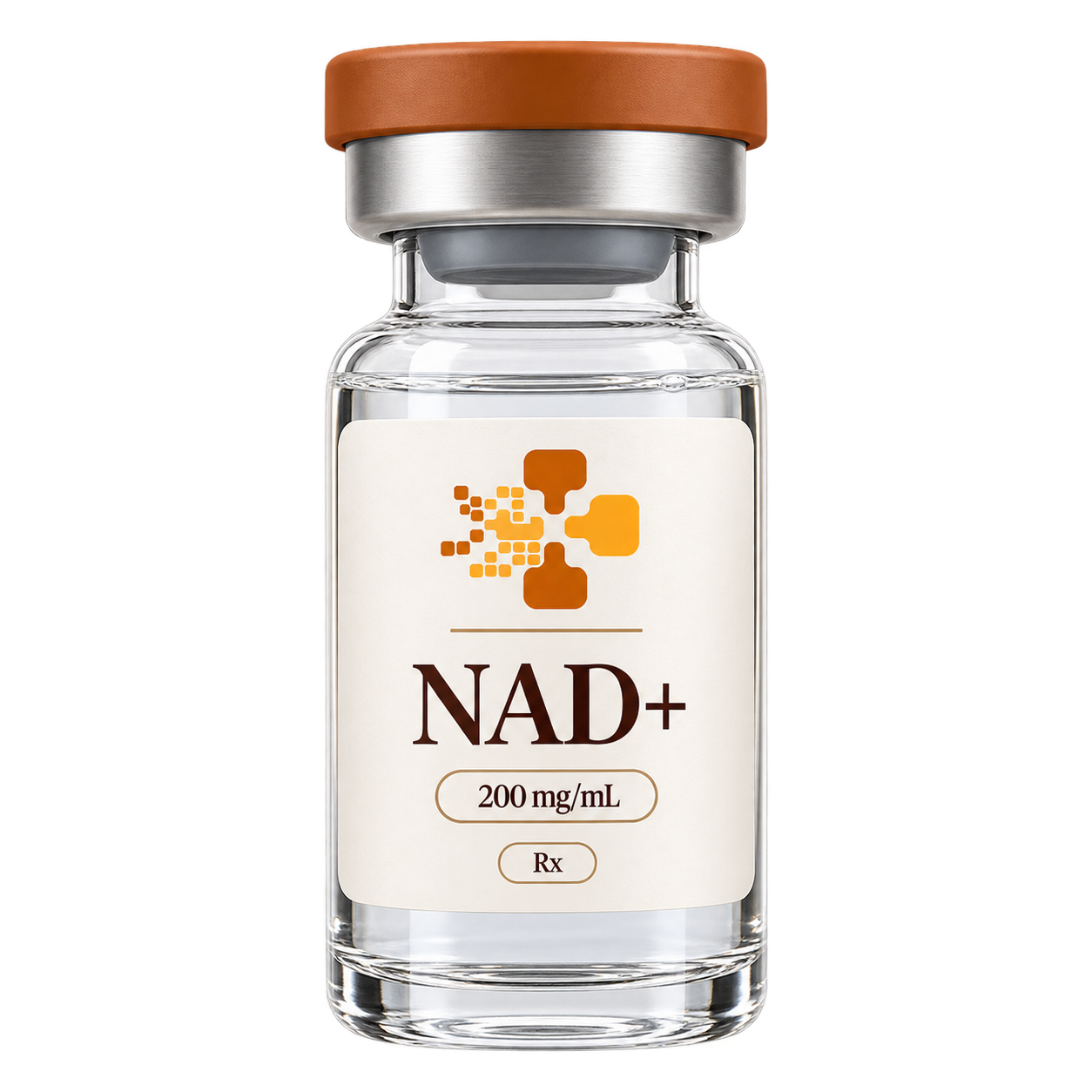
NAD+ Injection
Injection · 200 mg/mL

Progesterone Cream
Topical Cream · 20 mg/mL

Clomiphene
Capsule · 25 mg
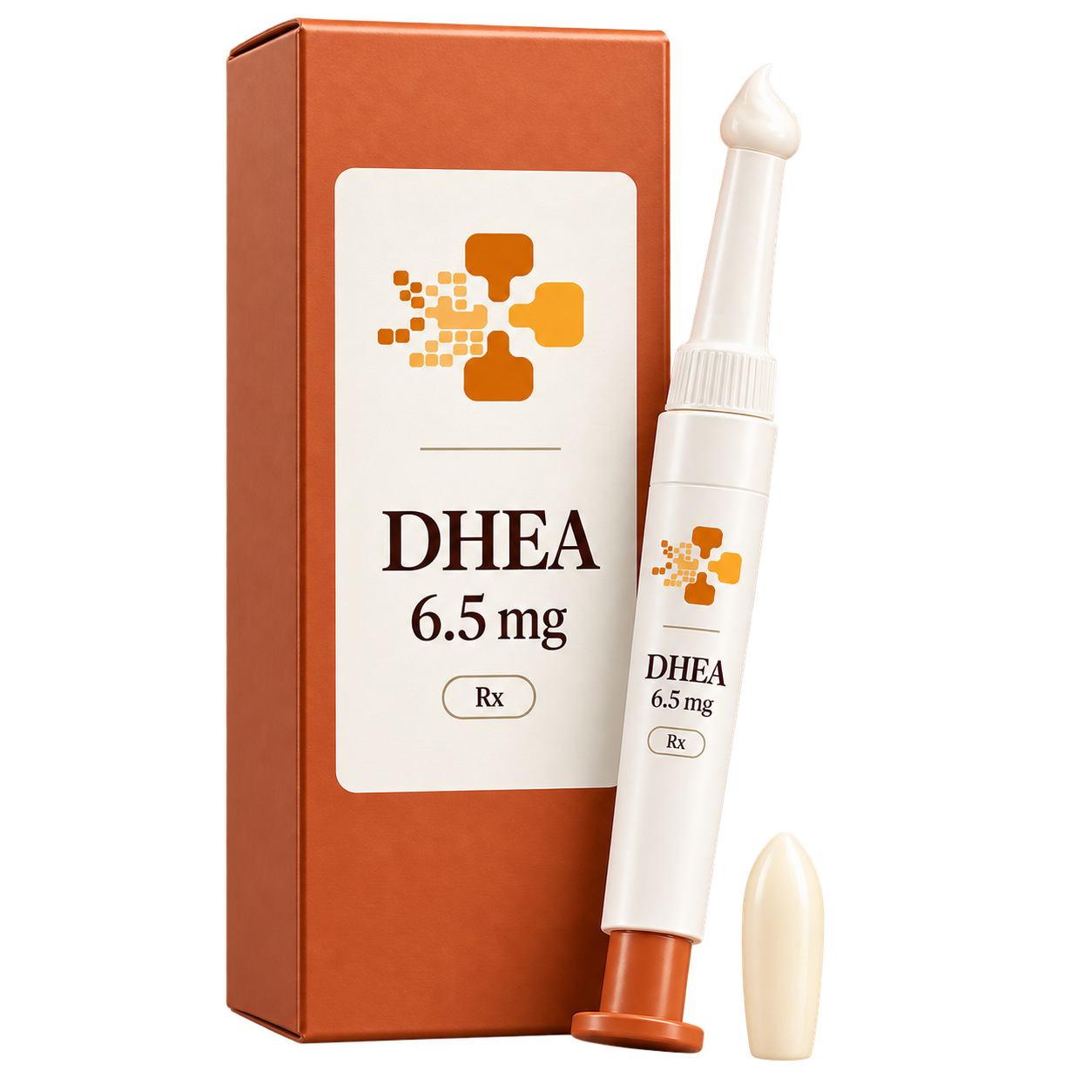
DHEA Vaginal Suppository
Vaginal Suppository · 6.5 mg

Estradiol Vaginal Cream
Vaginal Cream · 0.1%

Estriol Face Cream
Topical Cream · Estriol 0.3%
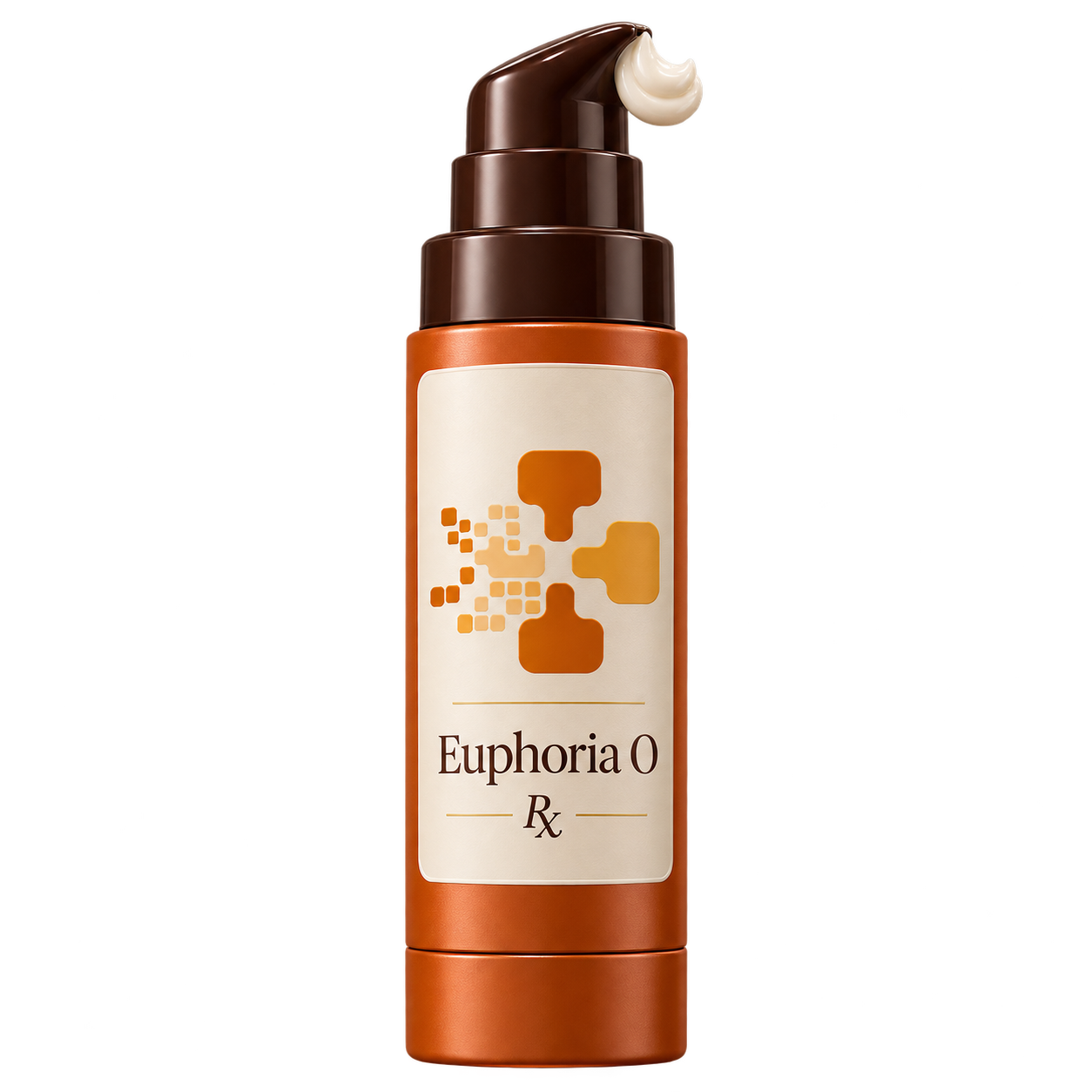
Euphoria O | Oxytocin + L-Arginine Cream
Topical Cream · 30 mg/50 IU per g

Finasteride + Minoxidil Scalp Solution
Topical Solution · 0.1% / 10%
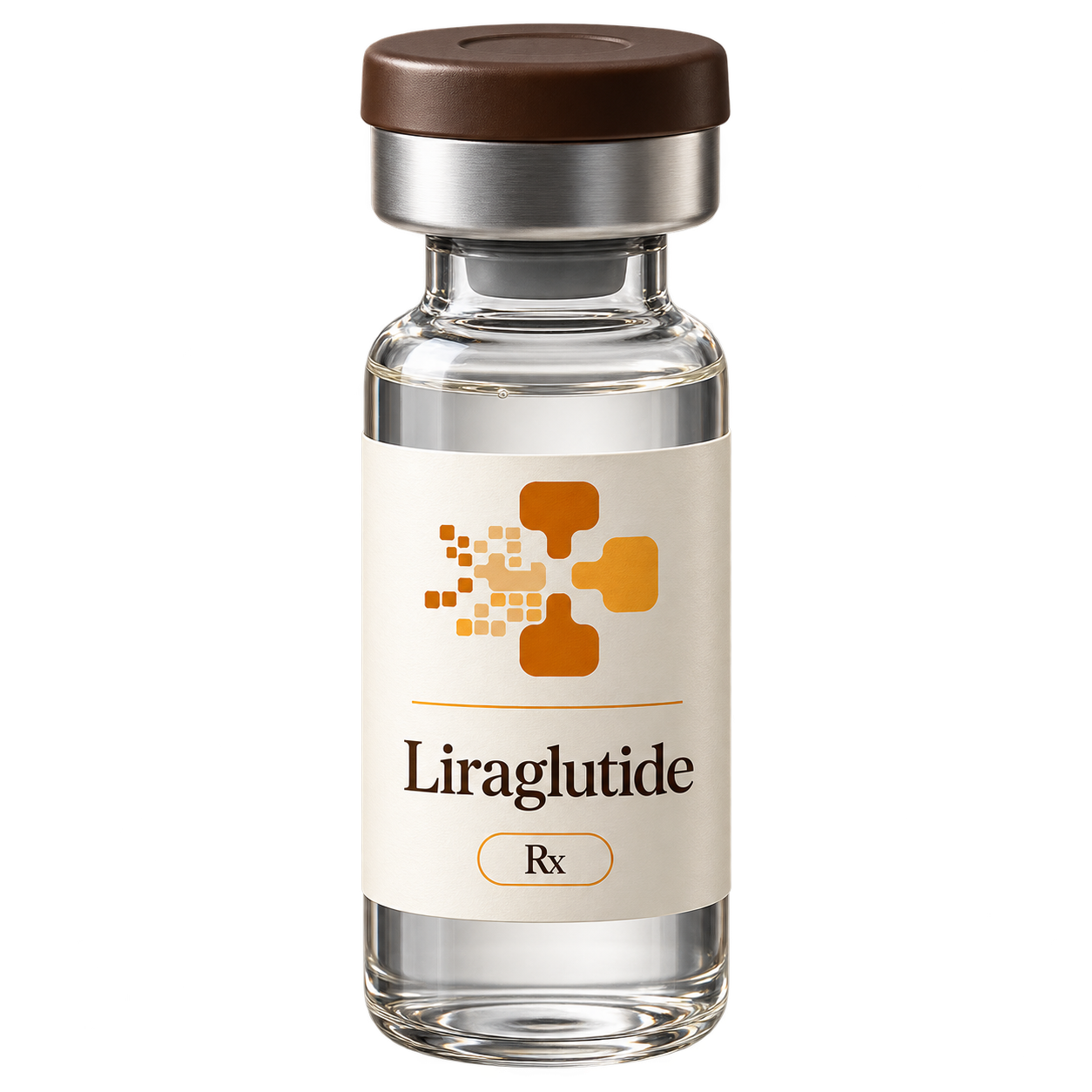
Liraglutide Injection
Injection · 6 mg/mL
Low-Dose Naltrexone (LDN)
Capsule · Flex-dose (1.5 to 4.5 mg)
MIC + B12 Injection
Injection · MIC + B12 1000 mcg

MICC Lipotropic Injection
Injection · Methionine / Inositol / Choline / B12

Rosacea Triple Cream
Topical Cream · Triple combination

Sermorelin Injection
Injection · 1 mg/mL
Sildenafil Arousal Cream
Topical Cream · 4%

Vitamin B12 Injection
Injection · 5 mg/mL methylcobalamin
Common questions
How soon will I notice a difference?
Most people report changes in energy, mood and libido within the first three to six weeks. Changes in muscle and body composition typically take three to six months and depend on your training and nutrition as much as the medication.
Do I need bloodwork before starting?
Yes. Testosterone therapy requires a baseline panel so a clinician can confirm your levels are genuinely low and rule out other causes. You will also have follow-up testing after starting so your dose can be adjusted.
Will this affect my fertility?
It can. Testosterone therapy suppresses the body's own production signal, which reduces sperm production in many men. If fertility matters to you now or in the future, say so during your intake — enclomiphene or HCG may be more appropriate, or can be used alongside.
What happens if I stop?
Levels return toward your untreated baseline over several weeks and symptoms generally return with them. Speak to your clinician before stopping rather than stopping abruptly, so you can taper or switch to an alternative.
How is the injection given?
It is a small subcutaneous or intramuscular injection, most commonly once or twice weekly. Your care team walks you through technique and you do it at home.
Start your plan today
Built by a health team that's actually on your side

Prof Brian Kennedy, PhD
Globally recognized aging biologist and former CEO of the Buck Institute for Research on Aging, renowned for pioneering research on sirtuins, mTOR, and healthy aging.
Matt Kaeberlein
World-leading biogerontologist and Founding Director of the Healthy Aging & Longevity Research Institute, celebrated for uncovering the biological mechanisms of aging.
Rhonda Collins, FNP-C
Board-certified Family Nurse Practitioner with 15+ years of clinical experience, specializing in preventative wellness and biomarker-driven personalized care.