
Semaglutide + B12
Injection · 2.5 mg/mL (semaglutide)
- Effective weekly GLP-1 therapy
- B12 to support daily energy
- Cost-friendly compounded option
Choose your plan

What is Semaglutide?
A GLP-1 agonist that quiets food noise, regulates appetite, and supports gradual, sustained weight loss when paired with lifestyle changes. Our compounded formulation adds B12 to reduce nausea and glycine to help preserve lean muscle. Titrated slowly to the lowest effective dose.
What to expect
- A starting dose that steps up — Treatment begins low and increases gradually so your body adjusts and side effects stay manageable.
- Appetite changes first — Most people notice reduced appetite and earlier fullness before they notice the scale moving.
- Steady, not sudden — A healthy pace is roughly one to two pounds a week. Faster is not better.
- Nausea is common early — It usually settles within a few weeks and eases with smaller, slower meals.
How it works

Online visit and review
Answer a few health questions. A licensed clinician reviews them online. No waiting rooms.

Ships to your door
If prescribed, your medication ships free and discreetly.



Feel the difference
Your clinician checks in and adjusts your plan as you go.
Dosing, safety & what's inside
Month 1: 0.2 mg SC once weekly
Month 2: 0.4 mg SC once weekly
Month 3: 0.9 mg SC once weekly
Titrate to lowest effective dose; hold dose if significant GI side effects
Semaglutide caused thyroid C-cell tumors in rodents. Whether that happens in people is not known.
Tell your care team straight away if you feel a lump or swelling in your neck, your voice goes hoarse or swallowing becomes hard, you get severe stomach pain that will not stop, you cannot keep fluids down, you get pain in your upper right belly or your eyes turn yellow, or your face, lips or tongue swell.
Common side effects
- nausea
- diarrhea
- vomiting
- constipation
- abdominal pain
- headache
- fatigue
- dizziness
- hair loss
Rare but serious
- acute pancreatitis
- gallbladder disease and gallstones
- kidney injury from fluid loss
- low blood sugar
- worsening diabetic eye disease
- food left in the stomach during anesthesia
Do not take this if you or a family member has had medullary thyroid carcinoma, you have Multiple Endocrine Neoplasia syndrome type 2, or you have reacted badly to semaglutide before.
This is not a complete list of side effects. Message your care team about any symptom that worries you. What we dispense is a compounded preparation made by a licensed US pharmacy. Compounded medications are not approved by the FDA for safety, efficacy or quality.
More in this category
Advanced Panel
Comprehensive panel across 12 body systems.
Essential Panel
Core biomarker panel — the fastest way to start treatment.

Enclomiphene
Capsule · 12.5 mg / 25 mg

Estradiol Oral Capsule
Capsule · 1.1 mg

Progesterone Capsules
Capsule · 100 mg / 200 mg
Semaglutide + B12
Injection · 2.5 mg/mL (semaglutide)


Tadalafil Daily
Tablet · 5 mg

Tirzepatide + B12
Injection · 10 mg/mL (tirzepatide)

Cedar Hair Tablet | Finasteride + Minoxidil + Biotin
Tablet · 1 mg / 2.5 mg / biotin

Levothyroxine
For people already prescribed levothyroxine by their doctor. Tablet · 50 mcg (25-100 mcg range)


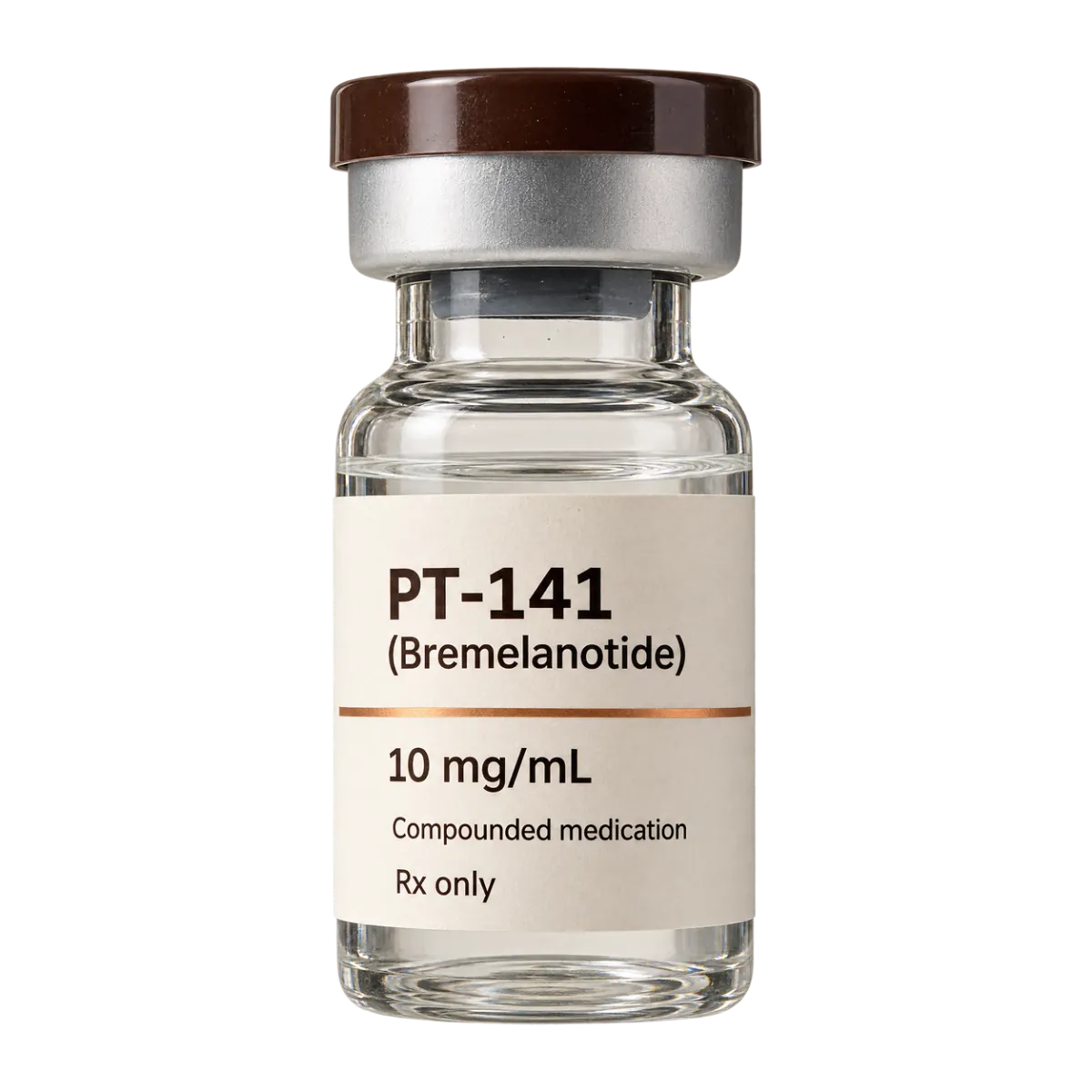
PT-141 Injection
Injection · 10 mg/mL


Estradiol Vaginal Cream
Vaginal Cream · 0.1%

Euphoria O | Oxytocin + L-Arginine Cream
Topical Cream · 30 mg/50 IU per g
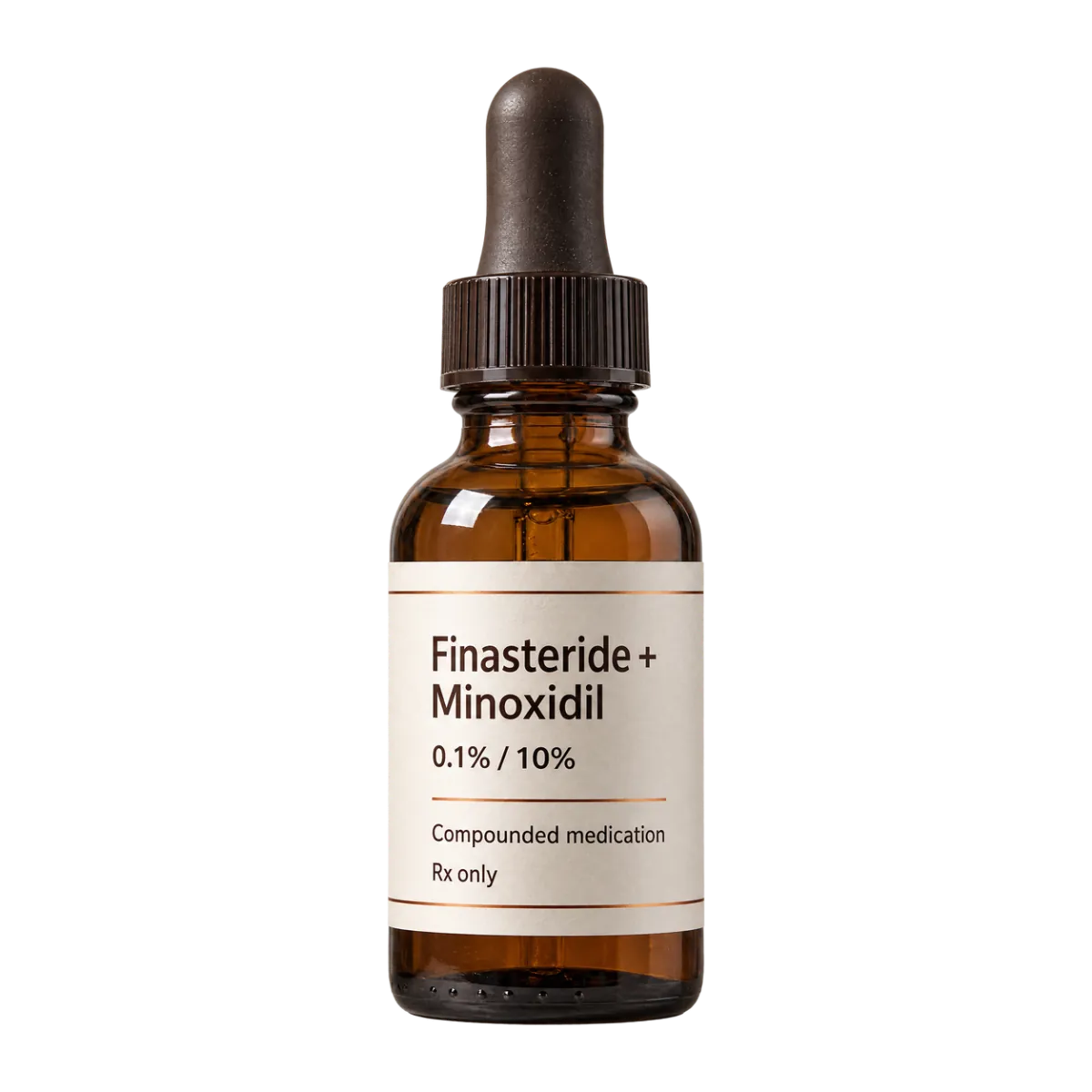
Finasteride + Minoxidil Scalp Solution
Topical Solution · 0.1% / 10%

Glutathione Injection
Injection · 200 mg/mL

Low-Dose Naltrexone (LDN)
Capsule · Flex-dose (1.5 to 4.5 mg)

Methylene Blue
Capsule · 5 mg

MICC Lipotropic Injection
Injection · Methionine / Inositol / Choline / B12

PT-141 Nasal Spray
Nasal Spray · 10 mg/mL

Sermorelin Injection
Injection · 1 mg/mL

Tretinoin + Niacinamide Cream
Topical Cream · Tretinoin + Niacinamide

Vitamin B12 Injection
Injection · 5 mg/mL methylcobalamin
Common questions
How does semaglutide work?
It mimics GLP-1, a hormone your gut releases after eating. That slows stomach emptying and signals fullness to the brain, so you eat less without white-knuckling it. This formulation also includes glycine and B12.
How often do I inject?
Once weekly, as a small subcutaneous injection you do at home on the same day each week. Your care team walks you through technique.
How quickly will I lose weight?
Most people see steady loss over months rather than weeks, and the first few weeks are usually about tolerating the dose rather than results. Expect appetite changes before scale changes.
What are the common side effects?
Nausea, constipation, diarrhoea and reflux are the most common, and are usually worst in the days after a dose increase. Eating smaller portions more slowly helps. Tell your clinician about anything severe or persistent.
What happens if I stop?
Appetite generally returns and weight regain is common without other changes in place. This is why the habits you build during treatment matter as much as the medication.
Who should not take this?
It is not appropriate if you have a personal or family history of medullary thyroid carcinoma or MEN 2, and it is not for use in pregnancy. Your intake covers the full list of contraindications.
Start your plan today
Built by a health team that's actually on your side

Prof Brian Kennedy, PhD
Globally recognized aging biologist and former CEO of the Buck Institute for Research on Aging, renowned for pioneering research on sirtuins, mTOR, and healthy aging.
Matt Kaeberlein
World-leading biogerontologist and Founding Director of the Healthy Aging & Longevity Research Institute, celebrated for uncovering the biological mechanisms of aging.
Rhonda Collins, FNP-C
Board-certified Family Nurse Practitioner with 15+ years of clinical experience, specializing in preventative wellness and biomarker-driven personalized care.