
Low-Dose Naltrexone (LDN)
Capsule · Flex-dose (1.5 to 4.5 mg)
- Supports pain and inflammation
- A fraction of the standard dose
- One capsule at bedtime
Choose your plan

What is Low-Dose Naltrexone?
At standard doses naltrexone blocks opioid receptors for months at a time. At roughly a tenth of that dose the effect is different — a brief block that appears to modulate inflammatory and immune signalling. Evidence is promising rather than settled, and it is prescribed off-label with that framing.
What to expect
- Taken at bedtime — One capsule, with the dose stepping up slowly.
- Vivid dreams are common — Most noticeable early and often settling.
- Measured expectations — The evidence is promising rather than settled.
- Not with opioids — It blocks them; flag any planned surgery.
How it works

Online visit and review
Answer a few health questions. A licensed clinician reviews them online. No waiting rooms.

Ships to your door
If prescribed, your medication ships free and discreetly.



Feel the difference
Your clinician checks in and adjusts your plan as you go.
Dosing, safety & what's inside
Take 1 capsule by mouth at bedtime, starting at the lowest dose and increasing gradually as directed
Naltrexone is FDA approved at 50 mg for alcohol dependence and to block opioids. Low dose naltrexone is a small fraction of that dose and has no FDA approved use. The side effects below come from the 50 mg label, so they may overstate what happens at a low dose.
Tell your care team straight away if your eyes or skin turn yellow, your urine goes dark or you get pain in your upper right belly, you get opioid withdrawal symptoms, you get low mood or thoughts of harming yourself, or you need opioid pain relief for any reason.
Common side effects
- nausea
- headache
- dizziness
- nervousness
- fatigue
- insomnia
- vomiting
- anxiety
- sleepiness
Rare but serious
- liver inflammation and liver problems
- opioid withdrawal brought on suddenly
- dangerous opioid overdose if you use opioids after your tolerance has fallen
- low mood and suicidal thoughts
Do not take this if you take opioid painkillers, you are dependent on opioids including methadone or buprenorphine, or you are in opioid withdrawal.
This is not a complete list of side effects. Message your care team about any symptom that worries you. What we dispense is a compounded preparation made by a licensed US pharmacy. Compounded medications are not approved by the FDA for safety, efficacy or quality.
More in this category
Advanced Panel
Comprehensive panel across 12 body systems.
Essential Panel
Core biomarker panel — the fastest way to start treatment.

Enclomiphene
Capsule · 12.5 mg / 25 mg

Estradiol Oral Capsule
Capsule · 1.1 mg

Progesterone Capsules
Capsule · 100 mg / 200 mg

Semaglutide + B12
Injection · 2.5 mg/mL (semaglutide)


Tadalafil Daily
Tablet · 5 mg

Tirzepatide + B12
Injection · 10 mg/mL (tirzepatide)

Cedar Hair Tablet | Finasteride + Minoxidil + Biotin
Tablet · 1 mg / 2.5 mg / biotin

Levothyroxine
For people already prescribed levothyroxine by their doctor. Tablet · 50 mcg (25-100 mcg range)


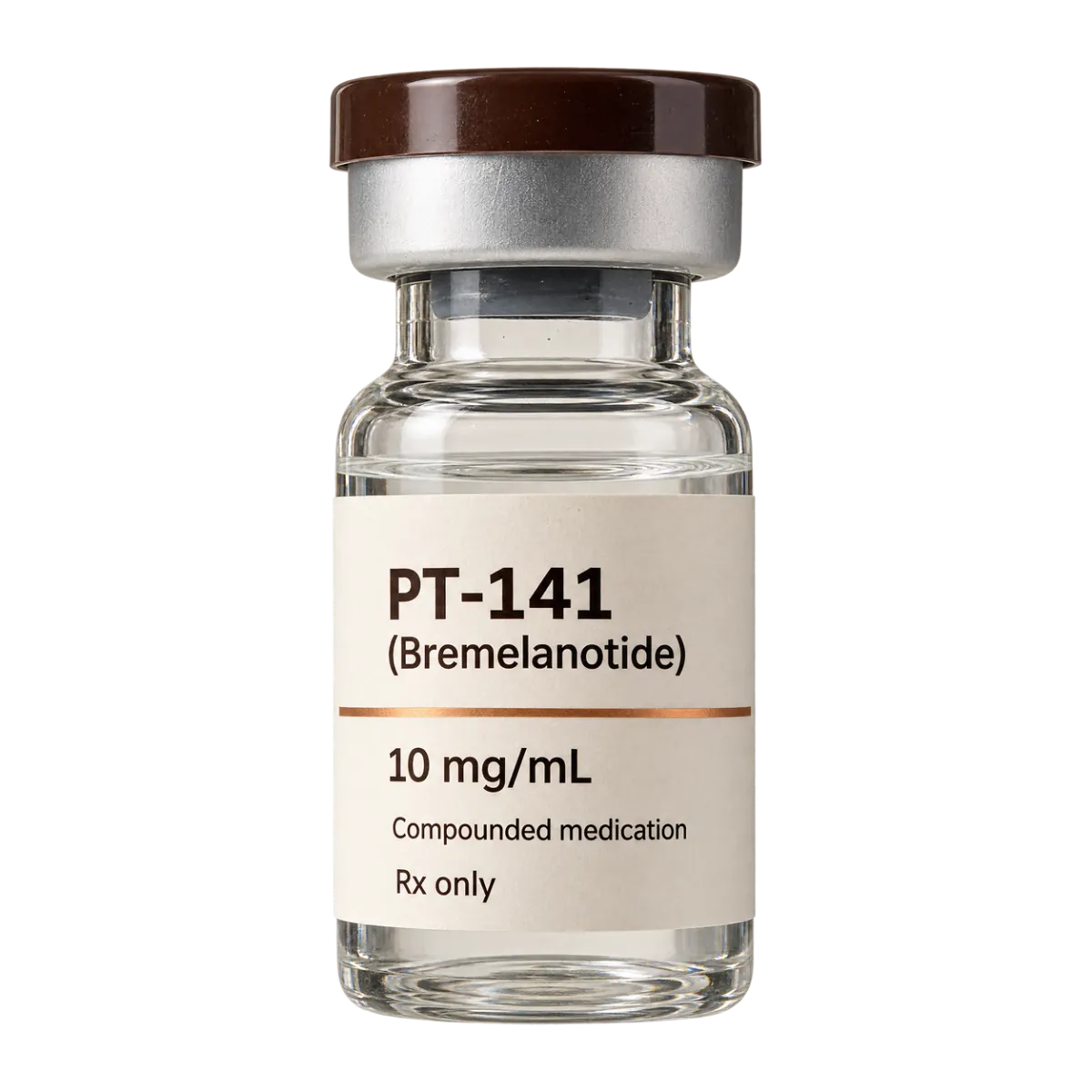
PT-141 Injection
Injection · 10 mg/mL


Estradiol Vaginal Cream
Vaginal Cream · 0.1%

Euphoria O | Oxytocin + L-Arginine Cream
Topical Cream · 30 mg/50 IU per g
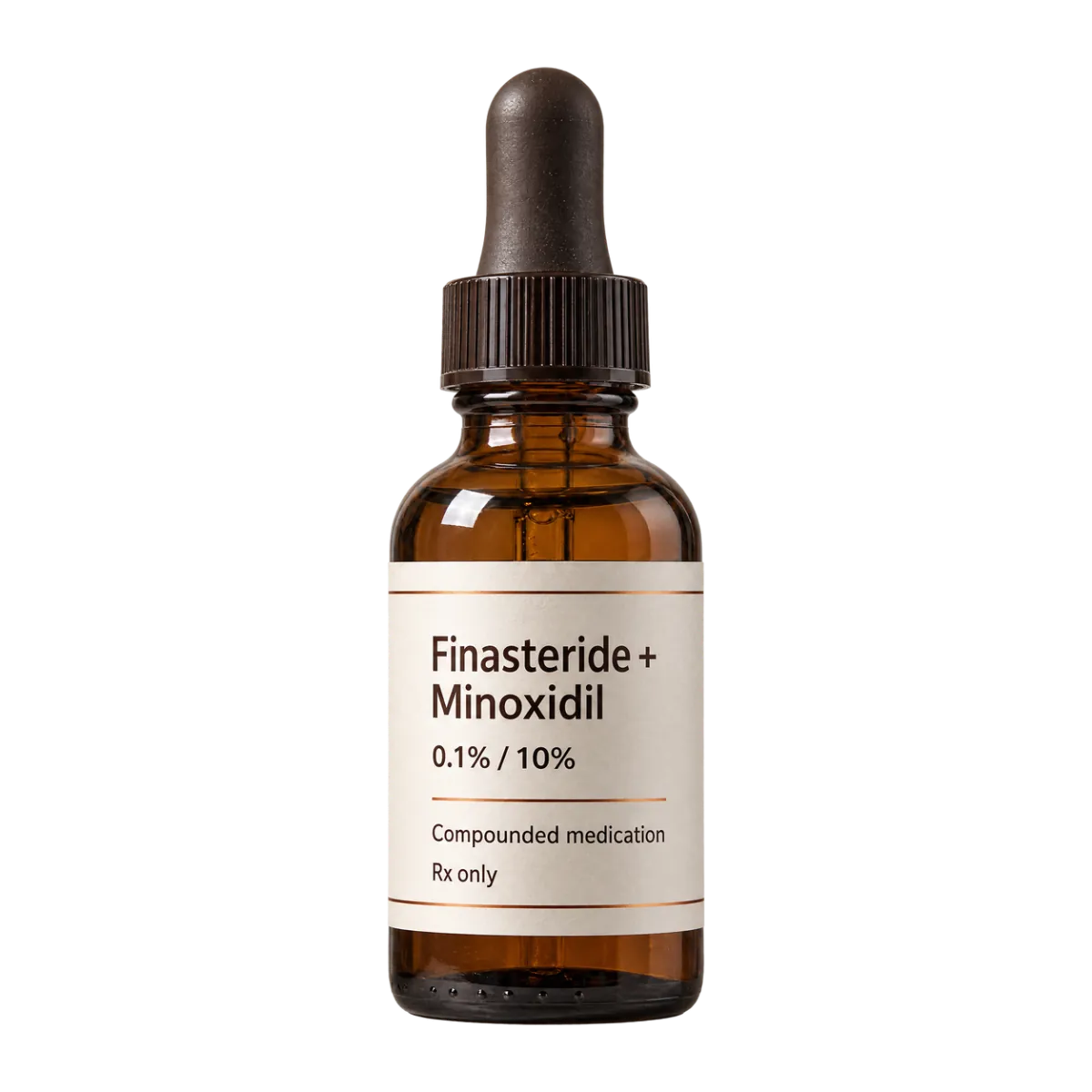
Finasteride + Minoxidil Scalp Solution
Topical Solution · 0.1% / 10%

Glutathione Injection
Injection · 200 mg/mL
Low-Dose Naltrexone (LDN)
Capsule · Flex-dose (1.5 to 4.5 mg)

Methylene Blue
Capsule · 5 mg

MICC Lipotropic Injection
Injection · Methionine / Inositol / Choline / B12

PT-141 Nasal Spray
Nasal Spray · 10 mg/mL

Sermorelin Injection
Injection · 1 mg/mL

Tretinoin + Niacinamide Cream
Topical Cream · Tretinoin + Niacinamide

Vitamin B12 Injection
Injection · 5 mg/mL methylcobalamin
Common questions
How is this different from standard naltrexone?
The dose is roughly a tenth. At that level the receptor block is brief, and the effect appears to be on inflammatory and immune signalling rather than on addiction pathways.
What is the evidence like?
Promising but not settled. Trials are small and results vary by condition. This is prescribed off-label and it is worth going in with measured expectations.
Why the vivid dreams?
Sleep disturbance and unusually vivid dreams are the most commonly reported effect, most noticeable in the first weeks. Moving the dose earlier in the evening often helps.
Can I take it with painkillers?
Not with opioid painkillers — it blocks them. Tell your clinician if you take any, or if you have surgery planned where opioid pain relief might be needed.
Start your plan today
Built by a health team that's actually on your side

Prof Brian Kennedy, PhD
Globally recognized aging biologist and former CEO of the Buck Institute for Research on Aging, renowned for pioneering research on sirtuins, mTOR, and healthy aging.
Matt Kaeberlein
World-leading biogerontologist and Founding Director of the Healthy Aging & Longevity Research Institute, celebrated for uncovering the biological mechanisms of aging.
Rhonda Collins, FNP-C
Board-certified Family Nurse Practitioner with 15+ years of clinical experience, specializing in preventative wellness and biomarker-driven personalized care.