
Bupropion XL
Tablet · 150 mg extended release
- Non-GLP-1 oral option
- Supports appetite and energy
- One tablet each morning
Choose your plan

How does Bupropion work for weight?
Bupropion acts on dopamine and noradrenaline pathways involved in reward and appetite. It is prescribed off-label for weight management, most often for members who want an oral option or who are also managing low mood. It is not appropriate for everyone, and your history matters more here than with most oral treatments.

What to expect
- Morning dosing — Taken early so it does not interfere with sleep.
- Prescribed off-label — Your clinician will explain the reasoning before you start.
- History matters here — Seizure and eating disorder history rule this out entirely.
- Report mood changes — Any shift in mood or thinking should reach your clinician quickly.
How it works

Online consultation
Answer a few health questions — a licensed provider reviews online. No waiting rooms.

Prescription approved
Once approved, your medication ships discreetly to your door.


Feel the difference
Physician-guided support and check-ins keep results on track.

Dosing, safety & what's inside
Take 1 tablet by mouth each morning; your clinician may adjust the dose after reviewing your response
Antidepressants raised the risk of suicidal thoughts and behavior in children, teenagers and young adults in short term trials.
Tell your care team straight away if you get new or worse thoughts of suicide or self harm, you have a seizure, your blood pressure climbs or will not settle, you become unusually agitated or act out of character, you see or hear things that are not there, or you get eye pain, blurred vision or halos around lights.
Common side effects
- dry mouth
- nausea
- insomnia
- dizziness
- sore throat
- abdominal pain
- agitation
- anxiety
- tremor
Rare but serious
- seizure
- high blood pressure, including severe cases
- mania
- psychosis and other reactions affecting mood or thinking
- a sudden rise in eye pressure
- serious allergic reactions
Do not take this if you have a seizure disorder, you have or have had bulimia or anorexia, you are stopping alcohol or benzodiazepines abruptly, or you have taken an MAOI in the last 14 days.
This is not a complete list of side effects. Message your care team about any symptom that worries you.
More in this category
Advanced Panel
Comprehensive panel across 12 body systems.
Essential Panel
Core biomarker panel — the fastest way to start treatment.

BiEst 80/20 Hormone Cream
Topical Cream · 2.5 mg/mL (80% estriol / 20% estradiol)

Enclomiphene
Capsule · 12.5 mg / 25 mg
Estradiol Oral
Tablet · 1 mg (0.5-2 mg range)
Progesterone Capsules
Capsule · 100 mg / 200 mg

Semaglutide + B12
Injection · 2.5 mg/mL (semaglutide)
Sildenafil
Tablet · 100 mg
Tadalafil Daily
Tablet · 5 mg
Tirzepatide + B12
Injection · 10 mg/mL (tirzepatide)
Anastrozole Add-On
Tablet · 0.25 mg

Cedar Hair Tablet | Finasteride + Minoxidil + Biotin
Tablet · 1 mg / 2.5 mg / biotin

Levothyroxine
Tablet · 50 mcg (25-100 mcg range)

Liothyronine
Tablet · 5 mcg
NAD+ Injection
Injection · 200 mg/mL
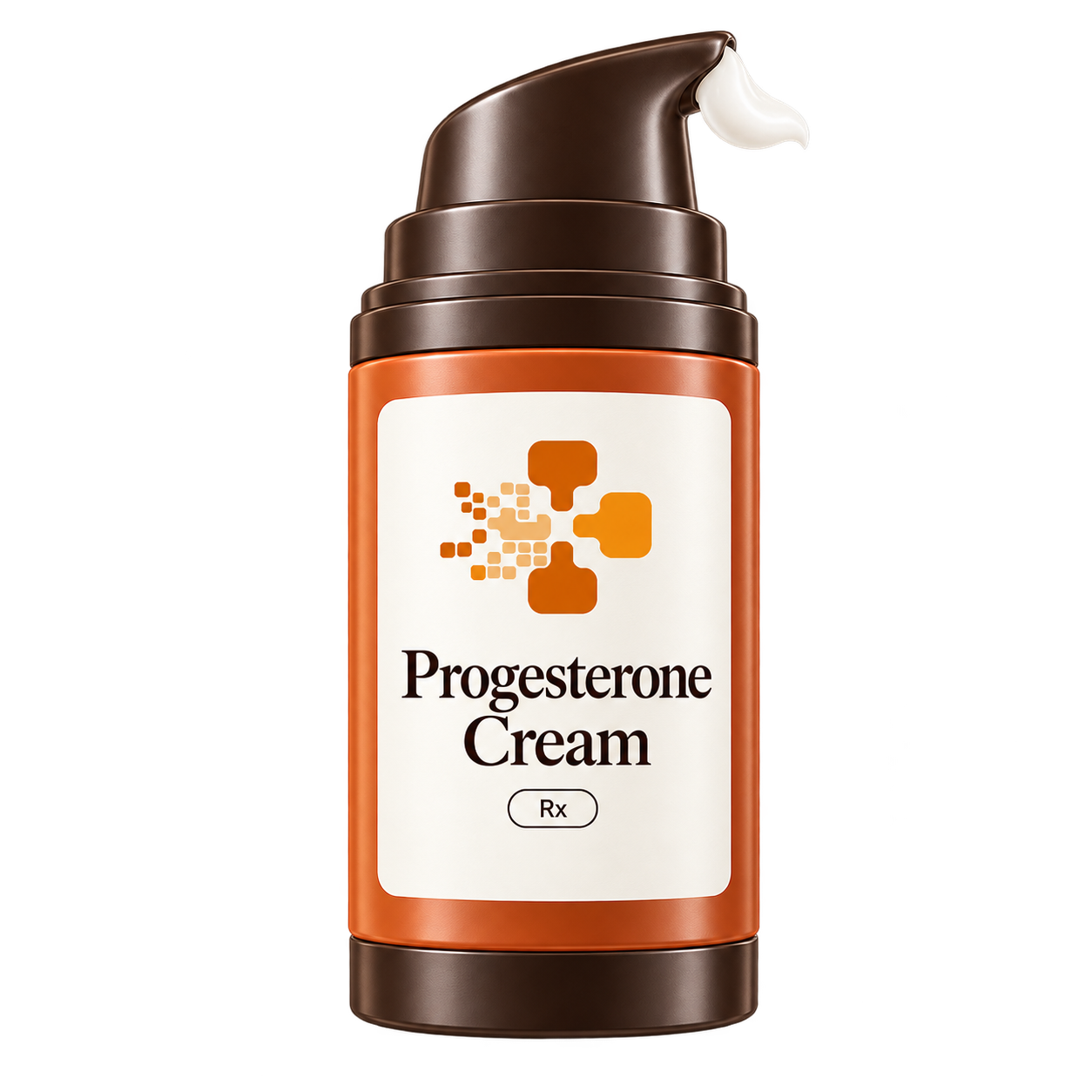
Progesterone Cream
Topical Cream · 20 mg/mL

Clomiphene
Capsule · 25 mg
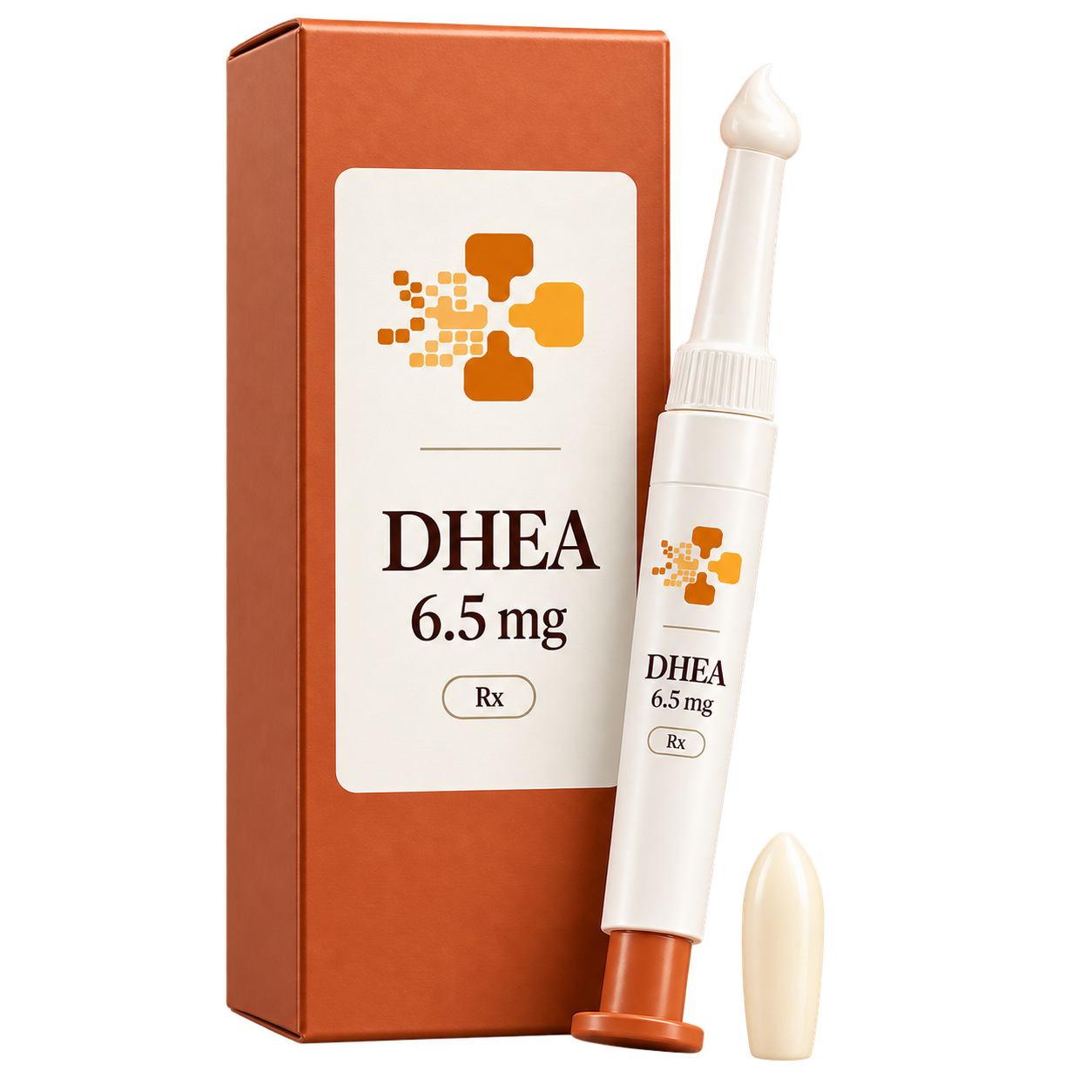
DHEA Vaginal Suppository
Vaginal Suppository · 6.5 mg

Estradiol Vaginal Cream
Vaginal Cream · 0.1%

Estriol Face Cream
Topical Cream · Estriol 0.3%

Euphoria O | Oxytocin + L-Arginine Cream
Topical Cream · 30 mg/50 IU per g

Finasteride + Minoxidil Scalp Solution
Topical Solution · 0.1% / 10%
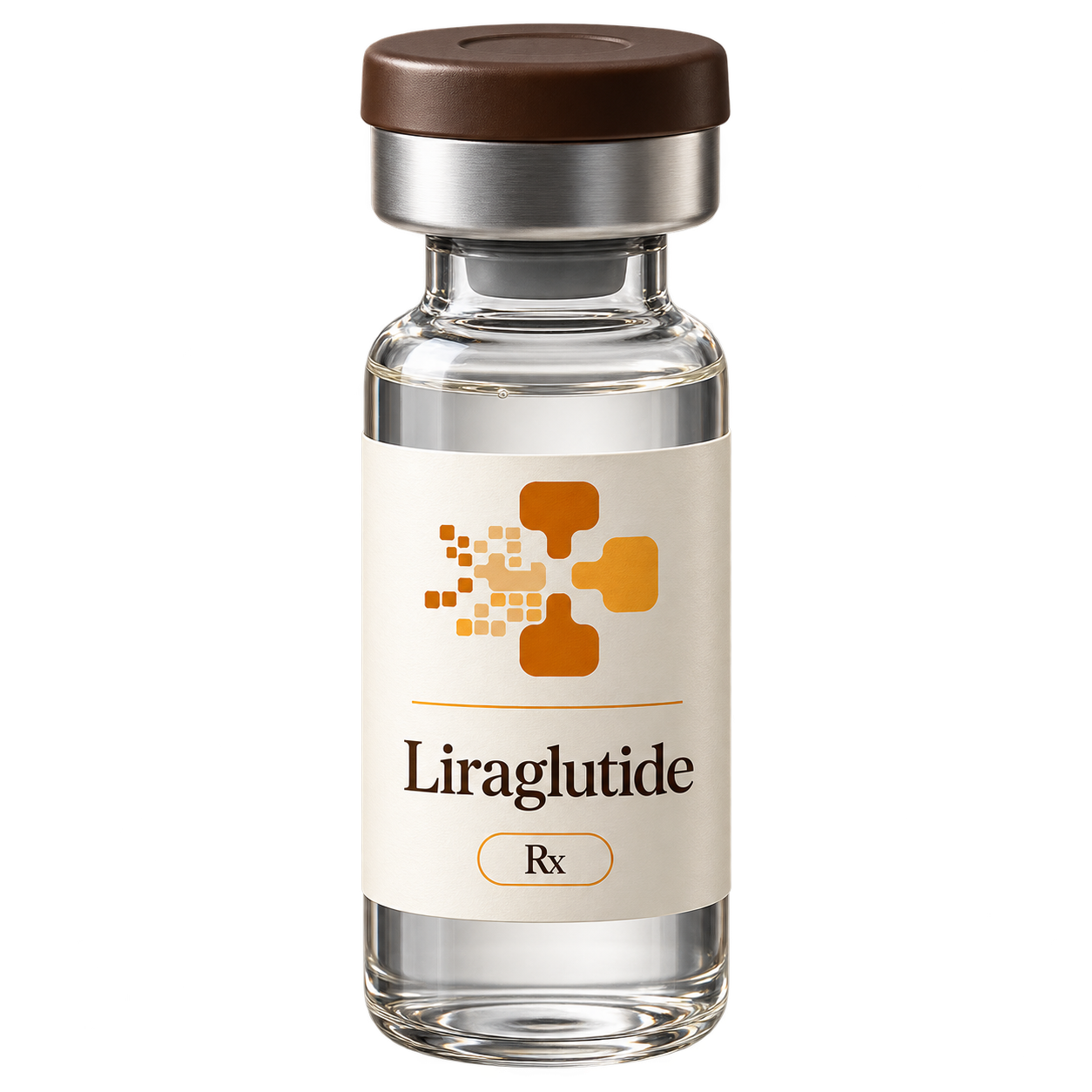
Liraglutide Injection
Injection · 6 mg/mL
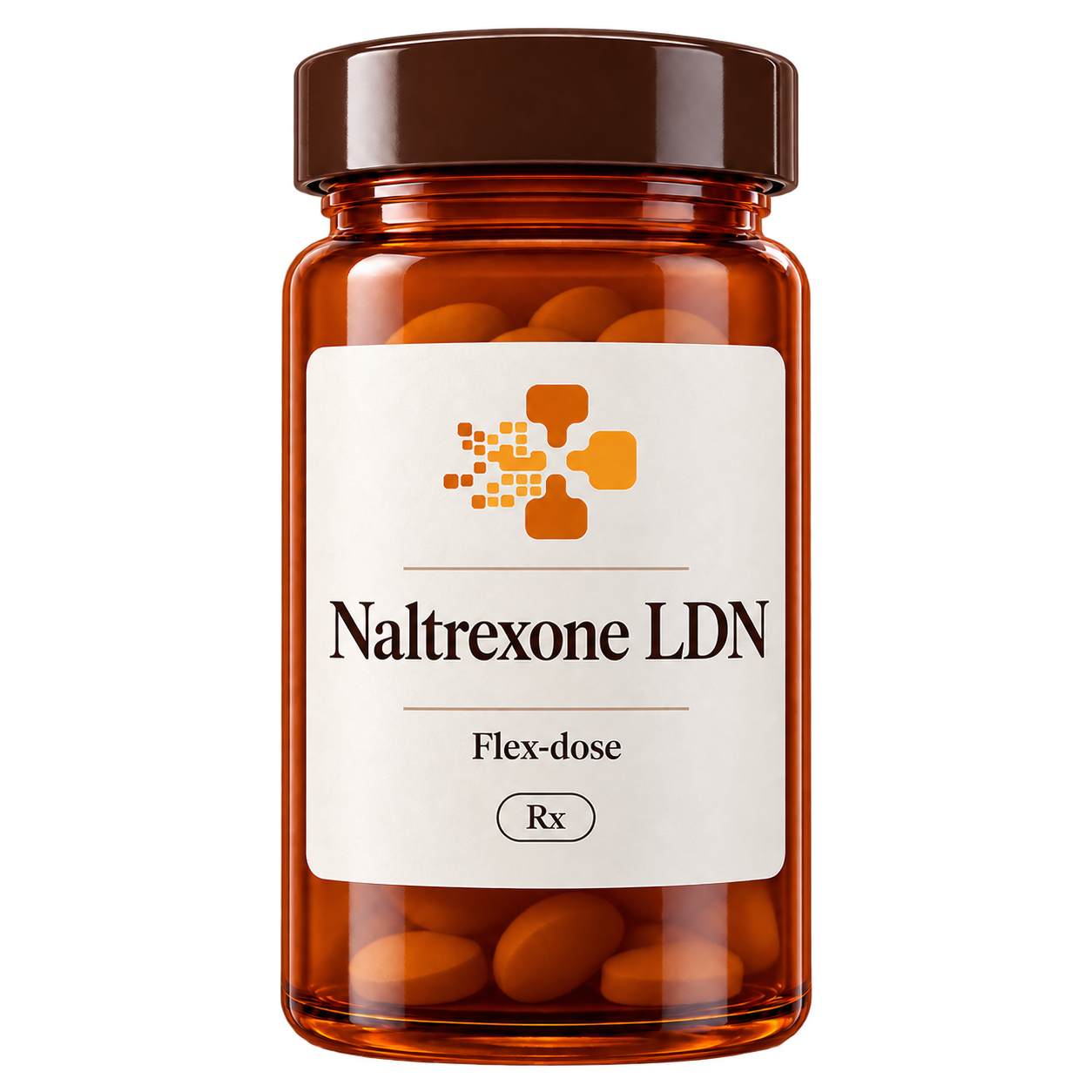
Low-Dose Naltrexone (LDN)
Capsule · Flex-dose (1.5 to 4.5 mg)
MIC + B12 Injection
Injection · MIC + B12 1000 mcg

MICC Lipotropic Injection
Injection · Methionine / Inositol / Choline / B12

Rosacea Triple Cream
Topical Cream · Triple combination

Sermorelin Injection
Injection · 1 mg/mL
Sildenafil Arousal Cream
Topical Cream · 4%

Vitamin B12 Injection
Injection · 5 mg/mL methylcobalamin
Common questions
Why is this prescribed for weight?
Bupropion affects pathways involved in appetite and food reward. Use for weight management is off-label, meaning it is prescribed on clinical judgement rather than a specific FDA approval for that purpose. Your clinician will explain what that means.
Why take it in the morning?
It can be activating and interfere with sleep if taken later in the day. Morning dosing is standard for that reason.
What are the common side effects?
Dry mouth, headache, difficulty sleeping and feeling jittery, most noticeable in the first weeks.
Who should not take it?
Anyone with a history of seizures or an eating disorder, and anyone stopping alcohol or sedatives abruptly. It also carries a warning about mood changes in younger adults — report any to your clinician promptly.
Start your plan today
Built by a health team that's actually on your side

Prof Brian Kennedy, PhD
Globally recognized aging biologist and former CEO of the Buck Institute for Research on Aging, renowned for pioneering research on sirtuins, mTOR, and healthy aging.
Matt Kaeberlein
World-leading biogerontologist and Founding Director of the Healthy Aging & Longevity Research Institute, celebrated for uncovering the biological mechanisms of aging.
Rhonda Collins, FNP-C
Board-certified Family Nurse Practitioner with 15+ years of clinical experience, specializing in preventative wellness and biomarker-driven personalized care.